Beijing vs Shanghai for First-Timers: Which City Should You Visit?

The first time I planned a trip to China, I asked everyone the same question: Beijing or Shanghai? Half the answers were confident, and none of them agreed. One friend said Beijing was the only place that felt like China. Another said Shanghai was the only place a foreigner could actually enjoy.
They were both right, which is exactly the problem. These two cities could not be more different, and they appeal to different kinds of travelers. This guide lays out what each city is actually like, so you can decide without the guesswork.
The Short Answer
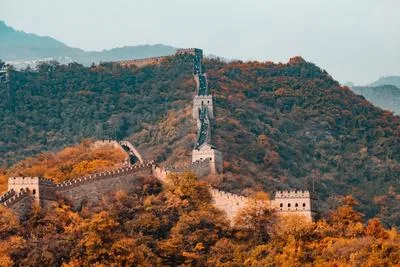
Pick Shanghai if you want your first China trip to feel manageable: great food, an easy metro, more English, and a skyline that looks like the future. Pick Beijing if you want the history: the Great Wall, the Forbidden City, and a city that still feels like the imperial capital it was.
If you only have a week, do not try to squeeze both. Pick one and do it properly. The people who try to cram Beijing and Shanghai into six days spend half the trip in train stations.
What Each City Feels Like
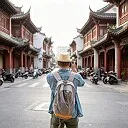
Beijing is the old capital, and it shows. The streets are wide and straight, laid out around the Forbidden City on a north-south axis. The old neighborhoods, the hutongs, are low-slung alleys where laundry hangs between courtyard homes and old men play chess on folding tables. There is a formality to Beijing, a sense that you are standing somewhere important.
Shanghai is the opposite. The Bund runs along the Huangpu River with a row of 1920s bank buildings on one side and the Pudong skyline, all glass towers and neon, on the other. The former French Concession is quiet, tree-lined, and full of cafes and boutiques. Shanghai feels like a European city that happens to be in China.
If Beijing is where China remembers its past, Shanghai is where China spends its money.
Food: Duck and Soup Dumplings

Beijing food is northern and hearty. The headline dish is Peking duck, carved tableside and wrapped in thin pancakes with scallion and sweet bean sauce. Street food is jianbing, a savory crepe folded around egg, scallion, and crispy cracker, eaten for breakfast from a cart. Noodles and dumplings dominate, wheat rather than rice, and the flavors lean salty and bold.
Shanghai food is lighter and sweeter. The city’s signature is xiaolongbao, soup dumplings with a thin skin and a spoonful of hot broth inside. Sheng jian bao, the pan-fried cousin, is crunchier and messier. Shanghai cooking uses more sugar and oil, a legacy of the Jiangnan region, and the portions tend to be smaller and more refined.
Neither city is a food destination on the level of Chengdu or Guangzhou, but both will keep you fed well. Our Beijing food guide and Shanghai food guide cover the specifics.
Cost: A Close Call
Both cities are pricey by Chinese standards and cheap by Western ones. A decent hotel in Beijing runs 400 to 700 yuan a night. In Shanghai, the same room in the French Concession costs 500 to 900 yuan. Street food is 15 to 40 yuan in both. A Peking duck dinner for two costs about 300 yuan in Beijing; a good soup dumpling meal in Shanghai is 150 yuan.
The real cost difference is not the food, it is the distance. Beijing’s attractions are spread out, so you will spend more on taxis and Didi. Shanghai is more compact and walkable in the center, which keeps transport costs down. Our budget guide breaks down daily costs for both cities.
Ease of Travel for a First-Timer
This is where Shanghai wins clearly. English is more common in Shanghai, the metro signs are bilingual, and the city’s expat presence means restaurants and services are used to foreigners. You can land, figure out mobile payment, and be moving around comfortably within an hour.
Beijing is harder. The metro is just as good, but English is scarcer outside the tourist sites, and the city sprawls in a way that eats time. The attractions that matter most, the Great Wall and the Ming Tombs, are outside the city and require a day trip or a hired car. It is not hard, but it asks more of you.
The Verdict
Choose Beijing if your idea of China is the Great Wall at sunrise, the Forbidden City, and walking through a hutong that has not changed much in a hundred years. You are willing to trade some convenience for the feeling of standing in history. Start with our Beijing itinerary.
Choose Shanghai if you want a first trip that goes smoothly, with great food, an easy metro, and a skyline worth photographing. You are more interested in modern China than ancient China. Start with our Shanghai itinerary.
Whichever you pick, the other will still be there next time, a 4.5-hour high-speed train away. Book the high-speed rail a few days ahead and the two-city question stops being a choice and becomes a plan.
Frequently asked questions
Is Beijing or Shanghai better for a first trip to China?
Shanghai is easier for a first-timer, Beijing is more rewarding for history lovers. Shanghai has more English, a better-connected center, and a more familiar big-city rhythm. Beijing has the Great Wall, the Forbidden City, and the hutongs, but the sights are far apart and English is less common away from the main tourist zones.
How many days do I need in Beijing vs Shanghai?
Beijing needs four to five days to cover the Great Wall, Forbidden City, Temple of Heaven, and hutongs without rushing. Shanghai needs three to four days for the Bund, French Concession, Yu Garden, and a day trip to a water town. With one week, pick one city and do it properly rather than splitting.
Which city is cheaper, Beijing or Shanghai?
Beijing is slightly cheaper for hotels and food, but the gap is small. Shanghai accommodation in the French Concession runs higher than comparable Beijing neighborhoods. Both are expensive by China standards and far cheaper than Tokyo or London.
Can I visit both Beijing and Shanghai in one trip?
Yes, and it is easy. The high-speed rail between them takes about 4.5 hours and runs throughout the day. A common first trip is four days in Beijing, then a train to Shanghai for three more. Book the train on Trip.com a few days ahead.