Chengdu 3-Day Itinerary: Pandas, Tea Houses & Sichuan Flavors
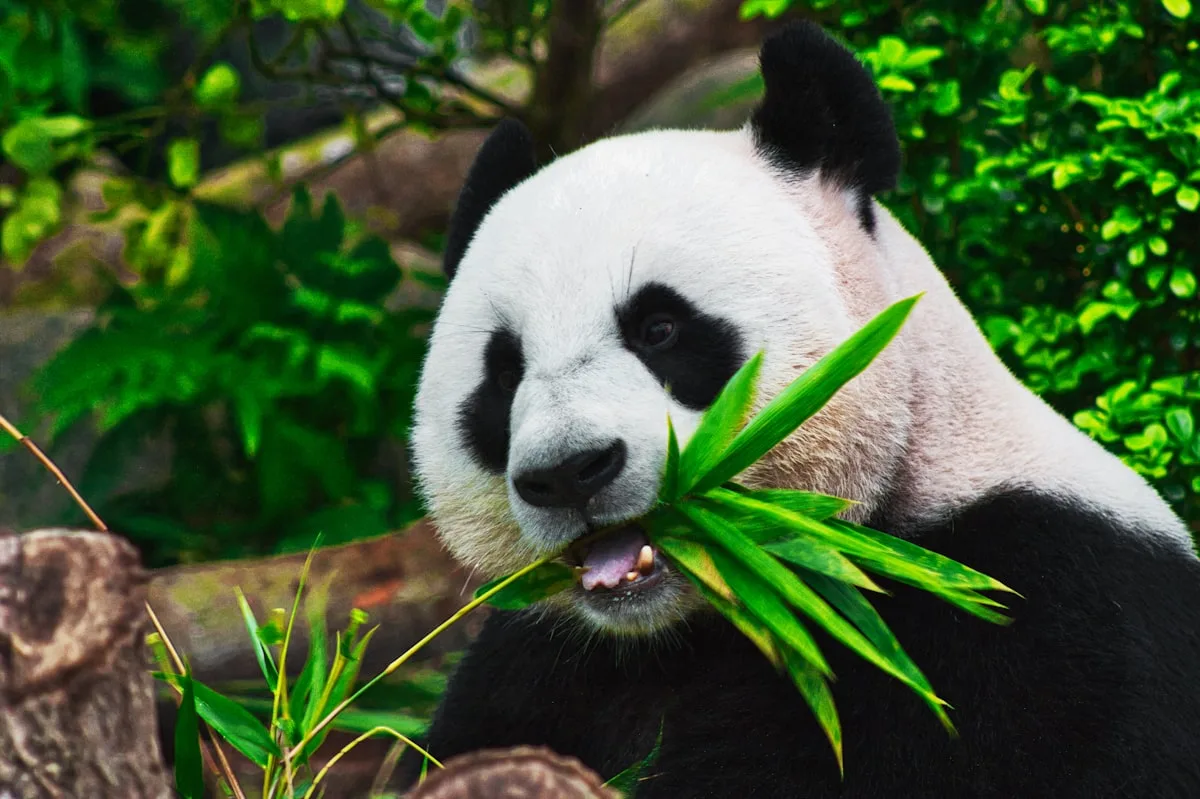
Chengdu is the city that taught me to slow down.
Not the pandas. Everyone comes for the pandas. They are exactly as advertised — chubby, bamboo-munching, genuinely ridiculous. But the pandas are the hook. What keeps people coming back is what happens after the panda base: sitting in a bamboo chair by a park lake with a ¥15 cup of jasmine tea, watching old men play mahjong under hundred-year-old sycamores. Four hours pass. Nobody rushes you. Nobody even notices you. That is the thing Chengdu figured out that Beijing and Shanghai never did — how to let you do nothing, and make it feel like the whole point of the trip.
Three days is the right length. Two days is a blur. Four days is better but starts to feel like you are padding. Three days is enough for the pandas, the tea houses, one world-class day trip, and at least two meals that will reset your understanding of what “spicy” means. This is the itinerary I would give a friend who has never been to Sichuan — paced for first-timers, built around what actually matters, and leaving room for the unplanned discovery that makes Chengdu different from every other Chinese megacity.
Before You Go — Chengdu-Specific Prep
Chengdu rewards a small amount of preparation. These five things separate a smooth trip from a frustrating one.
| Task | Why |
|---|---|
| Book panda base tickets online | Tickets are online-only. Morning slots sell out, especially weekends. Book 3-7 days ahead on Trip.com. |
| Set up Alipay before arriving | Chengdu is aggressively cashless — even the noodle stall under the overpass expects a QR scan. See our mobile payment guide. |
| Download Amap (高德地图) | Google Maps is unreliable in China. Amap’s English mode works for navigation. Apple Maps is a passable backup. |
| Pack for grey skies | Chengdu sits in a basin. The clouds do not leave. Locals joke that dogs bark when the sun appears. Layers, not shorts. |
| Bring digestive aids | Sichuan peppercorn (huājiāo) creates a numbing, electric tingle. Your stomach adjusts, but day one can be rough. Imodium is hard to find in China — bring your own. |
Where to Stay for This Itinerary
Chengdu’s center is compact but each neighborhood has a distinct personality. Here is what matters for a 3-day trip.
| Area | Why | Price (¥/night) |
|---|---|---|
| Chunxi Road / Taikoo Li | Dead center. Metro hub, restaurants until 2 AM, the太古里 shopping complex. Most convenient. | ¥400–1,200 |
| Kuanzhai Alley area | Boutique courtyard hotels, walking distance to People’s Park and the best tea houses. More character. | ¥350–900 |
| Wenshu Monastery area | Quieter, cheaper, excellent vegetarian food at the monastery. Good for budget travelers who want a slower pace. | ¥200–500 |
| Jinli / Wuhou area | Close to Wuhou Shrine and Jinli Ancient Street. More tourist-oriented. Decent but not the best value. | ¥300–700 |
Recommendation: Chunxi Road for convenience — you are in the center, connected to both metro lines that matter, and food is steps away at any hour. Kuanzhai Alley for atmosphere — courtyard hotels with tea service and the feeling that you are staying somewhere, not just sleeping somewhere.
For a deeper breakdown of Chengdu’s neighborhoods, see our Chengdu first-timer’s guide.
Day 1: Pandas, Alleys & Sichuan Opera
Day 1 front-loads the must-do — the panda base before the crowds destroy it — then eases into the city’s rhythm with ancient alleys, street snacks, and an opera performance that has nothing to do with Europe.
Morning: Chengdu Research Base of Giant Panda Breeding
Get there when the gates open at 7:30 AM. Not 8:00. Not 8:30. 7:30. I am not being dramatic. Pandas eat bamboo for 10-16 hours a day, but their most active window is the cool morning — climbing, wrestling, and actually doing things besides sleeping in a tree crotch. By 10:00 AM they are unconscious. By 11:00 AM the tour buses have arrived and you are four people deep at every enclosure.
Entry: ¥55 (about $7.70). Book on Trip.com 3-7 days ahead. The base opens at 7:30 AM year-round. Take Metro Line 3 to Panda Avenue Station, then the景区直通车 (scenic shuttle, ¥2) or a 10-minute DiDi (¥15-20) to the gate.
Route (2.5-3 hours): Start at the Sub-adult Enclosure — the teenage pandas are the most active and the most entertaining. Then the Adult Enclosure, then the Nursery (if you are lucky, there are cubs — these are seasonal and not guaranteed). Finish at the Red Panda area — smaller, raccoon-like, and often more active than the giants. Skip the panda museum; it is dated and you came to see live pandas.
The moonlight nursery tip: The nursery area sometimes has cubs born the previous August-September, visible through glass. These are absurdly small — roughly the size of a stick of butter at birth, though by the time you see them they are already rolling around. Go before 9:00 AM. After that the nursery corridor becomes a slow-moving human traffic jam.
Exit through the gift shop if you want a panda plushie. The quality is high and the prices are fixed. Or exit through the east gate and walk 5 minutes to the Chengdu Panda Museum (free, modern, actually good — a 2021 rebuild that tells the conservation story properly). It is worth 30 minutes if you have the time.
Lunch: North Gate Noodles
Take a DiDi (¥20-30) back toward the city center. Near Wenshu Monastery, the streets around North Gate (北门) are dense with small noodle shops. Look for dandanmian (担担面) — Sichuan’s signature street noodle: wheat noodles, ground pork, preserved mustard greens, chili oil, and Sichuan peppercorn. A bowl costs ¥12-20 ($1.70-2.80). Look for a shop with a line of locals at midday. No English menu needed — point at what the person next to you is eating.
Afternoon: Kuanzhai Alley (宽窄巷子)
Metro Line 4 to Kuanzhai Xiangzi Station. Kuanzhai Alley is three parallel lanes — Wide Alley (宽巷子), Narrow Alley (窄巷子), and Well Alley (井巷子) — restored Qing Dynasty courtyard homes turned into shops, tea houses, and snack stalls. It is touristy. Accept that. It is also genuinely well-preserved and worth 1.5-2 hours.
Walk Wide Alley first (restored courtyard architecture, Sichuan embroidery shops, traditional snack stalls), then cross to Narrow Alley (more bars and cafes, a slower pace). Skip Well Alley unless you want overpriced souvenirs.
What to eat here: Liangfen (cold mung bean jelly with chili oil, ¥10-15), san da pao (three cannonballs — sticky rice balls with sesame and brown sugar, ¥10), and a cup of bamboo leaf green tea (¥20-30) at a courtyard tea house. The tea houses on Wide Alley are more expensive than People’s Park but the courtyard settings are beautiful. Worth one cup.
Evening: Sichuan Opera at Shufeng Yayun (蜀风雅韵)
The Sichuan Opera is not European opera. It is a variety show: face-changing (biàn liǎn — a performer changes silk masks in the blink of an eye, the technique is a guarded secret), fire-spitting, hand-shadow puppetry, and comic sketches. It runs 90 minutes and it is genuinely entertaining even if you understand zero Chinese.
Shufeng Yayun Teahouse inside the Chengdu Cultural Park is the best venue — outdoor seating in a traditional teahouse courtyard, with tea and snacks included. Tickets run ¥120-280 depending on seat position ($17-39). Book through Trip.com or at the venue (go in the afternoon to buy same-day tickets — they rarely sell out on weekdays). The ¥120 seats are fine; the view is unobstructed.
Shows start at 8:00 PM. Arrive at 7:30 PM. Before the show, performers walk through the audience in full costume — you can take photos and watch makeup application up close.
Day 1 totals: 15,000-18,000 steps. The panda base involves walking but it is flat and shaded.
Day 2: Tea Houses, Temples & the China You Pictured
Day 2 is why people remember Chengdu. No blockbuster attractions. Just a city doing what it has done for a thousand years — drinking tea, playing mahjong, and refusing to rush.
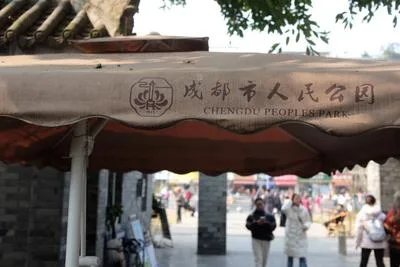
Morning: People’s Park (人民公园)
Metro Line 2 to People’s Park Station, Exit A. Enter through the main gate by 8:30 AM.
The park opens early and the morning scene is the main event. In the cypress groves you will find: retirees doing tai chi with swords, water calligraphy on the pavement (characters evaporate as they dry — a meditation on impermanence), group ballroom dancing with a portable speaker, and the famous Matchmaking Corner (相亲角) on weekend mornings. Parents post their adult children’s resumes — age, height, income, zodiac sign, housing status — on sheets of paper clipped to lines strung between trees. Their children frequently do not know they are listed. It is one of the strangest and most revealing things you will see in China.
Head to Heming Tea House (鹤鸣茶社) — the oldest tea house in the park, operating since the 1920s. Order a cup of jasmine tea (茉莉花茶, ¥15-30). A server brings a lidded gaiwan cup and a thermos of hot water. You refill yourself. Sit by the lake. The bamboo chairs creak. Old men play mahjong at adjacent tables. Nobody rushes you. This is not a theme-park version of Chinese culture. This is Tuesday.
Budget 1.5-2 hours. More if the tea is good and the sun is out.
Lunch: Wenshu Monastery Vegetarian Restaurant (文殊院素餐厅)
Metro Line 2 → Line 1 to Wenshu Monastery Station, or a ¥15 DiDi. The monastery itself is a working Chan Buddhist temple — free entry, incense provided, worth 20 minutes of walking before lunch.
The vegetarian restaurant inside the monastery complex is genuinely excellent — not “good for temple food,” just good. Dishes are designed to look and taste like meat (Buddhist vegetarian tradition uses tofu skin, mushrooms, and wheat gluten to replicate texture). Order the gongbao jiding (宫保鸡丁 — “kung pao chicken” made with king oyster mushroom) and the yuxiang qiezi (鱼香茄子 — fish-fragrant eggplant, no actual fish). Lunch runs ¥30-60 per person ($4-8). The dining hall is communal and loud. Find an empty seat at any table.
After lunch, explore the monastery grounds. The incense courtyard, the koi pond, and the tea house in the back garden are all free and unhurried.
Afternoon: Wuhou Shrine (武侯祠) & Jinli Ancient Street (锦里)
Take a 10-minute DiDi (¥15-20) to Wuhou Shrine. Entry is ¥50 ($7). This is a memorial temple to Zhuge Liang — the legendary strategist of the Three Kingdoms era (220-280 AD) — built on the site of the Shu Han kingdom’s ancestral temple. The red-walled corridor is photogenic. The bonsai garden is unexpectedly peaceful. Budget 1-1.5 hours. The temple is set in a park-like compound with ancient cypresses, moss-covered stone tablets, and calligraphy inscriptions from centuries of visitors paying respect.
Jinli Ancient Street is directly adjacent — exit Wuhou Shrine and you are there. It is a restored Qing Dynasty commercial street: red lanterns, cobblestones, snack stalls, craft shops. It is touristy in the way all “ancient streets” in China are touristy. But it is compact (550 meters), free, and the evening light through the red lanterns is genuinely atmospheric. Budget 45 minutes. Buy a candied hawthorn skewer (糖葫芦, ¥5-10) for the walk.
Evening: Sichuan Hot Pot (火锅)
This is the meal. Sichuan hot pot is a communal pot of chili oil and Sichuan peppercorn broth bubbling in the center of the table. You order raw ingredients — thinly sliced beef, tripe, lotus root, tofu skin, enoki mushrooms — and cook them yourself. The broth stains your chopsticks red. Your lips go numb from the Sichuan peppercorn. You will sweat. It is magnificent.
| Restaurant | Vibe | Price (¥/person) |
|---|---|---|
| Shu Daxia (蜀大侠) | Theatrical — wok-shaped pot, sword-shaped meat skewers, massive portions. Local favorite. | ¥80-150 |
| Xiao Longkan (小龙坎) | Traditional — clay pot, intense broth, long queues. The name brand of Chengdu hot pot. | ¥100-180 |
| Huangcheng Laoma (皇城老妈) | Upscale — cleaner, less numbing, more accessible for first-timers. Good if you are nervous about spice. | ¥120-200 |
How to order: Get half-and-half broth (yuanyang guo, 鸳鸯锅) — one side spicy, one side mild. Order beef tripe (毛肚, máodù — the classic hot pot ingredient, cook 10-15 seconds), sliced beef (肥牛, féiniú), lotus root (莲藕, lián’ǒu), and tofu skin (豆皮, dòupí). Mix your own dipping sauce at the sauce bar: sesame oil, crushed garlic, chopped cilantro, oyster sauce. The sesame oil cools the spice.
Go by 6:00 PM or expect a 30-60 minute wait at Xiao Longkan. Most hot pot places stay open past midnight. Bring tissues — your nose will run.
Day 2 totals: 14,000-17,000 steps. Mostly flat, all walkable.
Day 3: Choose Your Adventure
By Day 3 you have seen the core of Chengdu. Now pick your ending. Three options, depending on energy and interest.
| Style | What | Time | Why |
|---|---|---|---|
| Big day trip | Leshan Giant Buddha | Full day | A 71-meter Buddha carved into a cliff. One of the most impressive human-made sights in China. |
| Culture deep-dive | Jinsha Site Museum + Sichuan cooking class | Half day + afternoon | 3,000-year-old gold masks and the skill to recreate Sichuan food at home. |
| Slow burn | Tea house crawl + Anshun Bridge | Half day | The Chengdu lifestyle, distilled. No agenda, just tea, bridges, and river breeze. |
Option A: Leshan Giant Buddha (乐山大佛)
This is the best day trip in Sichuan. The Leshan Giant Buddha is a 71-meter (233-foot) seated Buddha carved directly into a red sandstone cliff face at the confluence of three rivers. Construction began in 713 AD and took 90 years. It is the largest pre-modern carved Buddha in the world. His big toe is large enough for a person to sit on.
Getting there: High-speed train from Chengdu East Station to Leshan Station — 1 hour, ¥54 ($7.60) second class. Trains depart roughly every 30 minutes from 6:30 AM onward. Book on Trip.com. From Leshan Station, take bus 3 or a ¥20 DiDi (20 minutes) to the scenic area entrance.
Entry: ¥80 ($11.20). Buy the combo ticket that includes the boat ride (¥120 total / $16.80) — the boat gives you the frontal view from the river that photos cannot capture from the cliff path. The cliff path itself is a narrow staircase carved into the rock face, descending from the Buddha’s head to his feet. It is steep, often crowded, and not for anyone with vertigo. Budget 3 hours on site.
Lunch in Leshan: Leshan has its own food tradition. Qiaojiao beef (跷脚牛肉, “crossed-leg beef”) — thin-sliced beef in a clear herbal broth, eaten with a dipping sauce of chili and Sichuan pepper — is the local specialty. Restaurants cluster near the scenic area entrance. ¥40-80 per person.
Getting back: Train from Leshan Station to Chengdu East, 1 hour, last train around 9:00 PM. Aim for a 4:00-5:00 PM departure. You are back in Chengdu by 6:00 PM.
Option B: Jinsha Site Museum + Sichuan Cooking Class
Morning: Jinsha Site Museum (金沙遗址博物馆). In 2001, construction workers in western Chengdu stumbled onto a 3,000-year-old archaeological site — the capital of the ancient Shu kingdom, predating any known Chinese civilization in the Sichuan basin. The gold “Sun and Immortal Bird” disc found here (only 94.2 grams, paper-thin, 12 sun rays and 4 birds around the edge) is now the official symbol of China’s cultural heritage. The museum is world-class — the excavation pit is enclosed in a climate-controlled hall and you walk above it on elevated walkways. The gold mask, jade artifacts, and elephant tusks (thousands of them — the Shu kingdom had trade routes to South Asia) are extraordinary. Metro Line 7 to Jinsha Museum Station. ¥70 ($9.80). Budget 2 hours. Open Tuesday-Sunday, closed Mondays.
Afternoon: Sichuan cooking class. Several cooking schools offer half-day classes in English. You visit a wet market to buy ingredients, then cook 3-4 dishes — typically kung pao chicken, mapo tofu, dan dan noodles, and a seasonal vegetable. The better schools are in the Kuanzhai Alley area. Book 2-3 days ahead through Trip.com or directly. Classes run ¥200-400 ($28-56) per person, including ingredients and eating what you cook. The Chuan Cuisine Museum (川菜博物馆) in Pixian, about 40 minutes from the city center, offers a more comprehensive experience including a museum tour. Both options teach skills you will actually use at home.
Option C: Tea House Crawl + Anshun Bridge
No agenda. Start at Heming Tea House in People’s Park for morning tea (¥15-30). Then walk to Kuanzhai Alley for a second cup at a courtyard tea house (¥30-50). Late afternoon, head to Anshun Bridge (安顺廊桥) — a covered bridge over the Jin River with a restaurant inside. The bridge dates to the Yuan Dynasty (13th century) and the current structure is a faithful reconstruction. Best visited at dusk when the lanterns come on and the river reflects the bridge’s silhouette. The riverfront path is flat, well-lit, and popular with locals walking dogs and flying light-up kites.
For dinner, walk east along the river to Jiuyan Bridge (九眼桥) area — Chengdu’s bar street. Live music, craft beer, Sichuan-style barbecue skewers (烧烤, shāokǎo — ¥2-5 per skewer). This area is loud and young and alive. A completely different Chengdu from the tea house. Both are real.
Chengdu Food Strategy
Chengdu is one of only two Chinese cities designated a UNESCO City of Gastronomy. The food is the reason a significant number of travelers extend their stay. Here is the hit list.
| Dish | What It Is | Where | Price (¥) |
|---|---|---|---|
| Mapo tofu (麻婆豆腐) | Soft tofu in chili-bean paste sauce with minced pork. Numbing, complex, the dish that defines Sichuan cuisine. | Chen Mapo Tofu (陈麻婆豆腐), est. 1862 | ¥28-48 |
| Dan dan noodles (担担面) | Wheat noodles with ground pork, preserved mustard greens, chili oil, Sichuan pepper. The ultimate street noodle. | Street stalls near Wenshu Monastery | ¥12-20 |
| Kung pao chicken (宫保鸡丁) | Diced chicken, peanuts, dried chilies, Sichuan pepper. Sweet-sour-hot. Nothing like the Western takeout version. | Any decent Sichuan restaurant | ¥38-68 |
| Zhong dumplings (钟水饺) | Pork dumplings in sweet soy and chili oil. A Chengdu-specific style. | Zhong Dumplings (钟水饺), est. 1893 | ¥15-25 |
| Sichuan hot pot (火锅) | DIY chili-oil fondue. Beef tripe, sliced lamb, lotus root, enoki mushrooms. Communal, sweaty, essential. | Shu Daxia, Xiao Longkan | ¥80-180/person |
| Sweet water noodles (甜水面) | Thick, chewy noodles in sweet soy, sesame paste, and chili oil. Sounds wrong, works perfectly. | Zhang Lao Er (张老二) near Wenshu Monastery | ¥10-15 |
| Bobo chicken (钵钵鸡) | Cold chicken and vegetables on skewers, submerged in chili-sesame oil. Not actually chicken-only — the name refers to the pot. | Street stalls, night markets | ¥1-3/skewer |
Three rules for eating in Chengdu:
First, “mild” in Sichuan still has more flavor than most cuisines at full fire. If you are spice-averse, learn these phrases: bù yào là (不要辣, no spice) and wēi là (微辣, mild). They work. Mostly.
Second, the best food is not in restaurants with English menus. It is in the shop with plastic stools spilling onto the sidewalk, a queue of locals at 12:15 PM, and a menu written in Chinese on the wall. Bring a translation app. Point at what looks good.
Third, Sichuan peppercorn (huājiāo, 花椒) is not spicy. It is numbing. It contains hydroxy-alpha-sanshool, which vibrates at 50 Hz on your tongue — the same frequency as a mild electric current. The first time is strange. By your third meal you will miss it when it is absent.
For a deeper dive into Chengdu’s food scene, read our Chengdu food guide.
Getting Around Chengdu
Chengdu is easier to navigate than Beijing or Shanghai — the center is compact, the metro is modern, and DiDi is cheap.
| Method | Best For | Cost | Notes |
|---|---|---|---|
| Metro | Long distances, pandas, train stations. 13 lines, English signs and announcements. Clean, air-conditioned, reliable. | ¥2-10/ride | Use Alipay transport QR at gates. Metro Line 3 connects the panda base to the city center. |
| Walking | People’s Park, Kuanzhai Alley, Jinli, Wuhou Shrine — these are all within a 30-minute walk of each other. | Free | The center of Chengdu is surprisingly compact. Most Day 1-2 sights are connected. |
| DiDi | Late night, rain, with luggage. English interface inside Alipay. Fares locked in app. | ¥15-40 within city | Faster than the metro for short trips. No cash. No negotiation. |
| Shared bikes | Short hops, park to park. Scan QR with Alipay or Meituan. | ¥1.50/ride | Chengdu is flat. Bikes are everywhere. The riverfront path is excellent for cycling. |
Airport note: Chengdu has two airports. Shuangliu (CTU) is 30-40 minutes from the city center by metro Line 10. Tianfu (TFU) is 60-90 minutes by metro Line 18. Confirm which airport you are flying into before booking ground transport. Mixing them up is a common and expensive mistake — a DiDi between the two airports costs ¥200+ and takes over an hour.
Budget Planning
Three days, per person, excluding accommodation. Convert at ¥1 = $0.14 USD.
| Level | Daily Cost (¥) | Daily Cost ($) | Includes |
|---|---|---|---|
| Budget | ¥150-300 | $21-42 | Street food, metro, free sights, skip opera |
| Mid-range | ¥400-700 | $56-98 | Restaurants, panda base + opera + Leshan, DiDi, hot pot dinner |
| Comfort | ¥800-1,500+ | $112-210+ | Private car to Leshan, fine dining, cooking class, best seats at the opera |
Sample mid-range Day 1 breakdown:
- Panda base ticket: ¥55
- Lunch (dan dan noodles): ¥15
- Kuanzhai Alley tea: ¥30
- Sichuan Opera (mid seat): ¥180
- Dinner (street food): ¥40
- Metro + DiDi: ¥30
- Total: ~¥350 ($49)
Chengdu is noticeably cheaper than Beijing or Shanghai. A ¥400/night hotel here gets you more space and character than the same price in either of those cities.
Common Mistakes
Showing up to the panda base at 10:00 AM. The pandas are asleep. The crowds have arrived. You will see pandas — but they will be furry lumps in a tree, not the active, climbing animals of 7:30 AM. This is the single biggest mistake in Chengdu. Set an alarm. Get a DiDi. Be there at 7:30 AM.
Going to the wrong airport. Shuangliu (CTU) and Tianfu (TFU) are on opposite sides of the city. A wrong-airport mistake costs you an hour and ¥200+. Check your ticket before booking any hotel or transport.
Not checking closing days. Wuhou Shrine and Jinsha Site Museum close every Monday. The panda base is open daily. Plan accordingly. Nothing is sadder than a Didi ride to a locked gate.
Ordering “extra spicy” on day one. Your stomach is not ready. Sichuan peppercorn at full strength is a physiological event — numbing, tingling, and potentially rough on an unadjusted digestive system. Start with mild (微辣, wēi là). Work up. The restaurants will still be there tomorrow.
Over-planning Day 3. The Leshan day trip is excellent. It is also a full day of trains, walking, and stairs. If you are tired after two days of sightseeing, take the tea-house crawl. Chengdu’s best quality is how it rewards doing less. Do not fight it.
Trying to pay cash. Chengdu is the most aggressively cashless city in China. Even the smallest noodle stall expects a QR code scan. Set up Alipay before departure. Our mobile payment guide walks through it step by step.
Frequently asked questions
How many days do I need in Chengdu?
Three days. Day 1 covers the panda base and the city core — Kuanzhai Alley, Sichuan Opera. Day 2 goes deeper into teahouse culture, Wuhou Shrine, Jinli, and a proper Sichuan hot pot dinner. Day 3 is your choice: the Leshan Giant Buddha (world-class day trip), the Jinsha Site Museum plus a cooking class, or a tea-house crawl that embraces Chengdu’s defining skill — the art of doing nothing in particular. Two days works if you skip the day trip and move fast. Four days lets you add Dujiangyan or a second day trip.
What time should I arrive at the panda base?
7:30 AM, when the gates open. Pandas eat bamboo for 10-16 hours a day but their most active window is the cool morning — climbing, wrestling, rolling, actually doing things. By 10:00 AM they are asleep in the crotch of a tree. By 11:00 AM the tour buses have arrived and every enclosure is four people deep. The difference between 7:30 AM and 9:30 AM is the difference between front-row viewing and looking at the back of someone’s selfie stick. Book tickets on Trip.com 3-7 days ahead — morning slots sell out on weekends.
Is Chengdu’s food really as spicy as people say?
Yes and no. The heat exists. Sichuan peppercorn creates a numbing, electric sensation called má that surprises even people who grew up eating Thai food. But spicy is negotiable. Say bù yào là (不要辣, no spice) or wēi là (微辣, mild) when ordering. Even Chengdu’s mild dishes pack more depth than most cuisines at full heat. The numbing sensation from Sichuan peppercorn — caused by hydroxy-alpha-sanshool, a molecule that vibrates your taste receptors at 50 Hz — is unlike anything in Western cooking. Bring digestive aids for day one.
Can I do a day trip from Chengdu?
The Leshan Giant Buddha is the best single day trip in Sichuan. A 71-meter seated Buddha carved into a red sandstone cliff face in the 8th century, at the confluence of three rivers. The high-speed train from Chengdu East takes 1 hour (¥54). Leave at 7:30 AM, spend 3 hours on site — walk the cliff path and take the river boat for the frontal view — eat qiaojiao beef for lunch, and you are back in Chengdu by 5:00 PM. Dujiangyan, a 2,300-year-old irrigation system that is still functioning, is the second-best option at 1 hour from Chengdu by train.
What neighborhood should I stay in?
Chunxi Road / Taikoo Li puts you in the center of everything — metro hub, restaurants until 2 AM, walking distance to half the itinerary. Kuanzhai Alley offers boutique courtyard hotels with more character, closer to the tea houses and People’s Park. Budget travelers should look near Wenshu Monastery — quieter, cheaper, and the monastery’s vegetarian restaurant is genuinely excellent and costs ¥30-60 for a full meal.
Do I need to speak Chinese in Chengdu?
Less than you think, more than you hope. The panda base, major museums, and metro have English signage. Restaurants with picture menus are common in tourist areas. But Chengdu has fewer English speakers than Beijing or Shanghai. A translation app with offline Chinese (Pleco or Google Translate with the Chinese pack downloaded) and four phrases — nǐ hǎo (hello), xièxie (thank you), bù yào là (no spice), cèsuǒ zài nǎlǐ (where is the toilet) — make a real difference. Most Chengdu locals are friendly and patient with travelers who make an effort.
Bottom Line
Day 1 is the hook — pandas at dawn, ancient alleys, and an opera performance that has nothing to do with anything you have ever seen on a stage. Day 2 is the memory — tea in a park, hot pot that makes your lips go numb, the matchmaking corner and the mahjong players and the quiet understanding that you are in a city that knows something about living that other cities forgot. Day 3 is your call — a 71-meter Buddha, a 3,000-year-old gold mask, or another cup of tea by the river.
Chengdu is not the most important city in China. It is not the richest or the biggest or the most powerful. It is the one travelers remember longest. Pace yourself. Say yes to the hot pot. Wake up for the pandas. And leave at least one afternoon with no plan at all.
Related guides you will need:
- Chengdu First-Timer’s Guide — pandas, tea houses, and the 4-day plan
- Chengdu Food Guide — street stalls, hot pot rankings, what to order
- Chengdu Day Trips — Leshan, Dujiangyan, and beyond the city
- China High-Speed Rail Guide — train classes, booking, station navigation
- China Mobile Payment Guide — Alipay and WeChat Pay step by step