Beijing Day Trips: What's Worth It and What to Skip
Beijing is a demanding city. The Forbidden City takes a day. The Summer Palace takes a morning that turns into an afternoon. By day three, the traffic, the crowds, and the sheer weight of imperial history make you want to get out.
The good news: Beijing is surrounded by genuine escapes. The bad news: some of them appear in every guidebook and are not worth the drive. Badaling in August is not a Great Wall experience. It is a queue with a view.
This guide gives you honest verdicts on six day trips from Beijing, ranked by what deserves your limited time.
At a glance
| Destination | Time from Beijing | Best for | Worth it? |
|---|---|---|---|
| Mutianyu Great Wall | 1.5 hrs | First-timers, families | Yes |
| Gubei Water Town + Simatai | 2 hrs | Overnight, night scenery | Yes |
| Chengde | 1.5 hrs by train | Imperial history, gardens | Yes |
| Tianjin | 30 min by train | Colonial architecture, half-day | Maybe |
| Cuandixia Village | 2 hrs | Ancient village, photography | Yes |
| Longqing Gorge | 1.5 hrs | Summer escape, boat ride | Seasonally |
| Badaling Great Wall | 1 hr | Nobody | No |
Mutianyu Great Wall
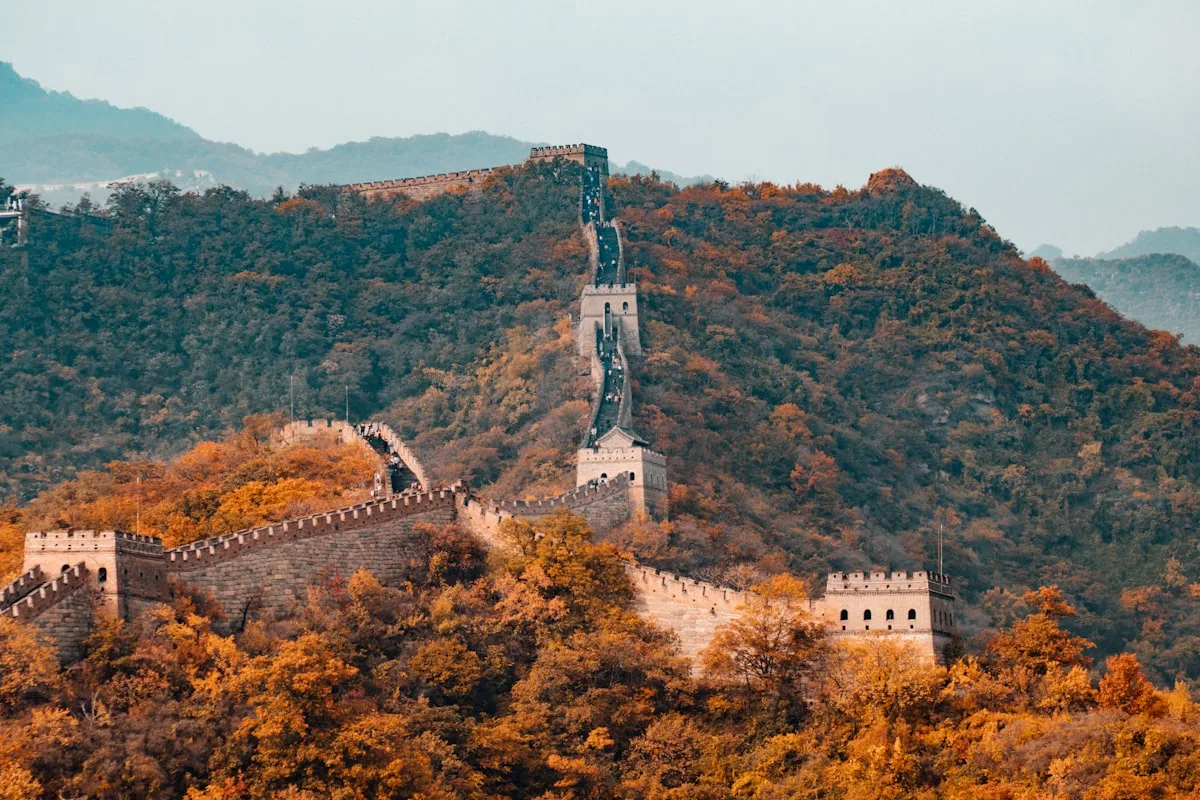
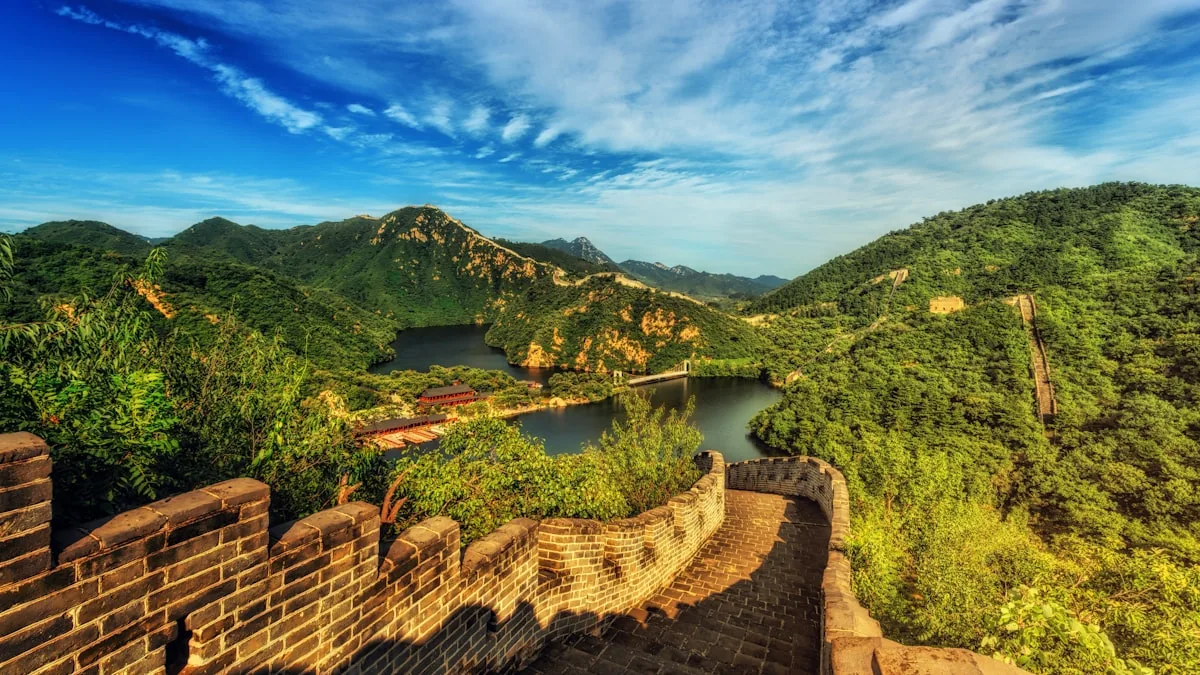
Mutianyu is the default answer to “which Great Wall section?” and for good reason. It balances scenery, accessibility, and crowd levels better than any other section within day-trip range.
The wall here runs along a wooded ridge with 23 watchtowers. A cable car takes you to Tower 14. From there, you walk two to three hours along a fully restored section with dramatic views in both directions. The toboggan slide down is genuinely fun, not a gimmick tacked onto a historical site, but a fast, winding descent that kids and adults both come back raving about.
Getting there: no direct public transit. Hire a private driver (¥500-700 round-trip, ~$70-98) or take a tourist bus from Dongzhimen. Didi one-way is about ¥300 ($42). The driver will wait while you tour.
Cost: ¥45 ($6.30) entry, ¥120 ($16.80) cable car round-trip, ¥100 ($14) toboggan. Total: about ¥265 ($37).
Avoid: weekends and Chinese holidays. Mutianyu on a Tuesday morning in April is wonderful. Mutianyu on National Day is Badaling with prettier trees.
We have a full guide to every Great Wall section with more detail on Mutianyu, Jinshanling, and the rest.
Gubei Water Town + Simatai Great Wall
Gubei is a manufactured water town at the foot of the Simatai Great Wall, and everything about that description sounds suspicious: a built-from-scratch “ancient” village selling tickets at the gate. The surprise is that it works.
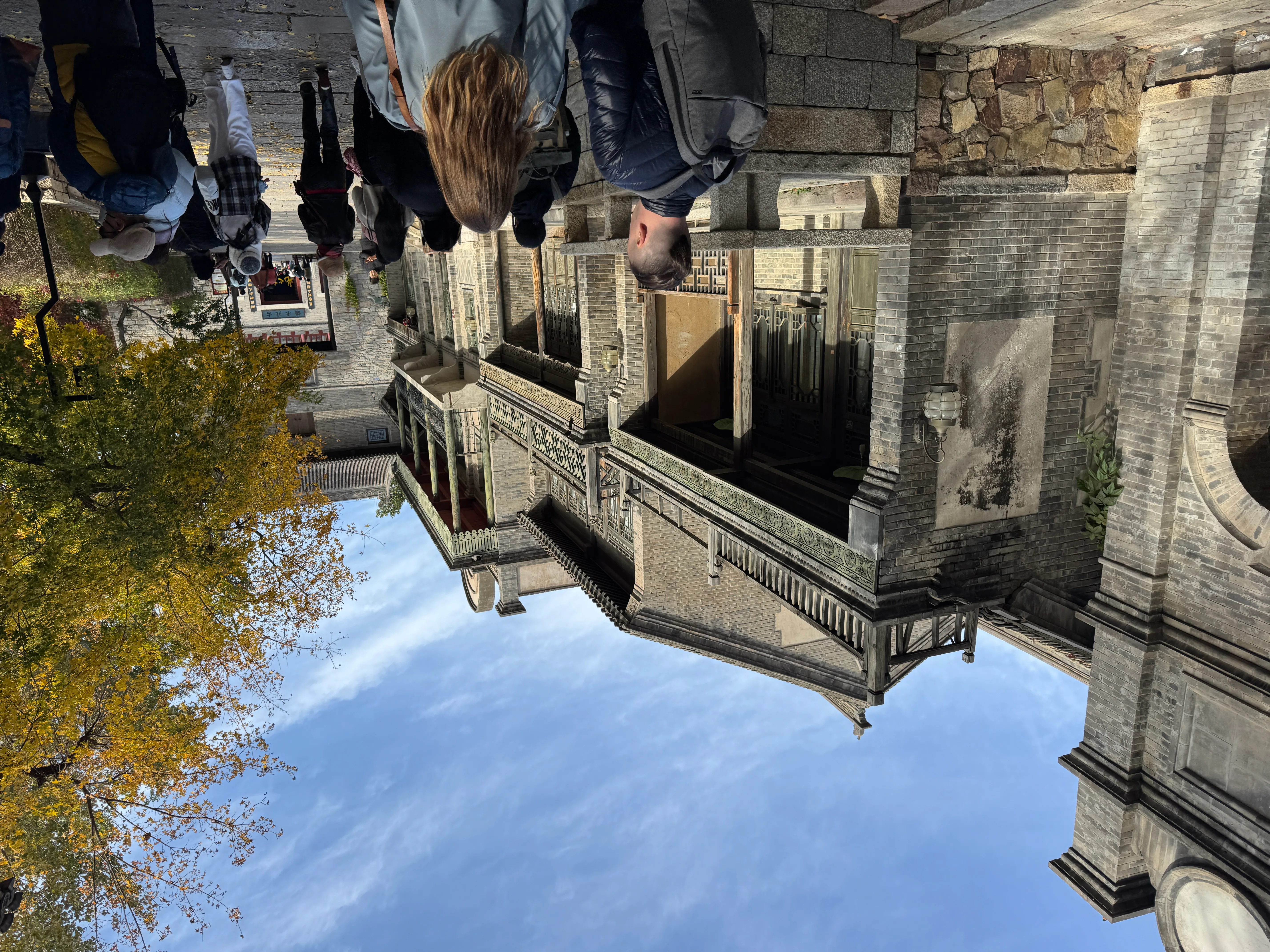
The town borrows the northern water town aesthetic convincingly: canals, stone bridges, lantern-lit streets. It is clean, walkable and photogenic after dark. What makes it worth the trip is the Simatai Great Wall above it — the only section open at night. Book the night ascent, take the cable car up, and walk a lit stretch of the wall with the town’s lights glittering below you. It is the single best evening experience within two hours of Beijing.
Gubei works best as an overnight. Book a hotel inside the town, arrive around 3 PM, wander the streets, eat dinner at a riverside restaurant, and climb the wall after dark. The hot springs at the base are a legitimate recovery option after a long day.
Getting there: tourist bus from Dongzhimen (2 hours, ¥48) or private driver. The drive is straightforward.
Cost: ¥140 ($19.60) town entry. Simatai Great Wall night ticket: ¥160 ($22.40) with cable car. Hotels inside: ¥400-800 ($56-112) per night.
Avoid: going as a day trip. The town loses its charm in daylight, and the wall at midday in summer is just another hot Great Wall section. Gubei without the night wall is an expensive shopping street.
Chengde Mountain Resort
In the 18th century, Qing emperors spent their summers here to escape Beijing’s heat. The Mountain Resort is a UNESCO site that covers 5.6 square kilometers, larger than the Summer Palace and the Forbidden City combined. It has lakes, pagodas, temples, grasslands, and a walled palace complex, all laid out as a microcosm of the Qing empire.
The resort itself is the main draw. The surrounding Eight Outer Temples — particularly Putuo Zongchengzhi, a replica of the Potala Palace in Tibet — are worth the extra ticket. The scale is hard to describe. The Potala replica is a full third of the size of the real one in Lhasa and you can climb most of it.
Getting there: high-speed train from Beijing Chaoyang Station, 1.5 hours, about ¥95 ($13.30). Trains run every 30-60 minutes.
Cost: ¥130 ($18.20) Mountain Resort, ¥80 ($11.20) Putuo Zongchengzhi Temple.
Avoid: Mondays. Several temple sections close. The resort itself stays open but you lose the best temples. Go Tuesday through Friday.
Tianjin
Tianjin is 30 minutes from Beijing by high-speed train. It has a stretch of colonial concession architecture along the Haihe River, an ancient culture street that is neither ancient nor particularly cultural, and a giant Ferris wheel built onto a bridge.
The colonial district is the best part: former British, French, and Italian concessions with stone buildings, wide boulevards, and riverside promenades. Walk the riverfront for two hours, eat lunch at a concession-era restaurant, and you have seen the best of Tianjin.
After that, there is not much else. The Ancient Culture Street sells identical souvenirs to every other tourist street in China. The Tianjin Eye is a Ferris wheel. The Porcelain House is a villa covered in broken china, interesting for ten minutes.
Here is the honest verdict: Tianjin is a pleasant half-day, not a full day trip. Go in the late morning, walk the concessions, have a long lunch, and catch a mid-afternoon train back. If you skip it entirely, you have not made a mistake.
Getting there: high-speed train from Beijing South to Tianjin Station, 30 minutes, ¥55 ($7.70). Trains depart every 10-15 minutes.
Cost: ¥55 train, lunch ¥50-100 ($7-14). The architecture walk is free.
Avoid: the Ancient Culture Street and anything described as “Tianjin’s must-try snack.” The city’s food reputation is inflated.
Cuandixia Village
A 500-year-old Ming and Qing dynasty village built into a hillside west of Beijing. Narrow stone lanes climb past courtyard homes with gray-tiled roofs. The village has about 70 preserved residences, some still occupied, others converted to guesthouses. From the viewpoint above the village, the terraced cluster of roofs looks like a painting from a Qing-era scroll.
Cuandixia is not undiscovered; it gets domestic tourists on weekends, but it is not a theme park either. People live here. The houses are real. You can sit in a courtyard with a cup of tea and watch a farmer carry vegetables up a lane that has been walked for half a millennium.
Getting there: drive only. Two hours west of Beijing on the G109. Private driver or rental car. No direct bus service that is practical for a day trip. Budget ¥600-800 ($84-112) for a driver.
Cost: ¥35 ($4.90) entry. Lunch at a courtyard guesthouse: ¥50-80 ($7-11).
Avoid: weekends, when the village fills with day-trippers from Beijing. A weekday visit is quiet and worth the effort. A Saturday visit is a parking lot with a nice view.
Longqing Gorge
Longqing Gorge in Yanqing district is a narrow canyon with turquoise water, karst cliffs, and a scenic boat ride. In summer, the temperature is about 8°C cooler than central Beijing. The boat ride runs about 30 minutes each way through the flooded valley, past rock formations with names like “Immortal’s Pen” that you can ignore while enjoying the actual scenery.
In winter, Longqing becomes an ice lantern festival. The canyon freezes over, and the park builds a large ice sculpture exhibition. The summer version is more natural and less crowded.
Getting there: drive, 1.5 hours northwest. Or S2 train from Beijing North Station to Yanqing, then taxi. Free entry in 2026 as part of a tourism promotion. Confirm before you go.
Cost: free entry (2026), boat ride ¥100 ($14). Taxi from Yanqing station: ¥30-50 ($4-7).
Avoid: winter weekends during the ice festival. The crowds are substantial. Go in summer or on a winter weekday.
What to skip
Badaling Great Wall. It is the closest, most accessible, and most famous Great Wall section. It is also the most crowded. On a weekday in low season, Badaling is busy. On a weekend or holiday, it is a human conveyor belt where you shuffle between watchtowers in a crowd thick enough to make photography impossible. If you need wheelchair access, Badaling has it and Mutianyu largely does not. If you do not, take the extra 30 minutes to Mutianyu and preserve your sanity.
Ming Tombs. Only one underground chamber is open to visitors (Dingling, the tomb of the Wanli Emperor). The experience is a set of stairs down to a concrete-lined chamber that feels more like a parking garage than an imperial tomb. The Sacred Way — a path lined with stone animal statues — is atmospheric for 15 minutes. For a half-day outlay, the Ming Tombs underdeliver.
Bashang Grassland / Zhangbei Sky Road. These appear on many Beijing day trip lists. Both are 3.5 to 4 hours from Beijing each way. They are not day trips. They are weekend trips. If you have three days in Beijing, do not spend eight hours in a car to see a grassland you can find closer to home.
How to string this together
If you have 4 days in Beijing: two days in the city (Forbidden City, Summer Palace, hutongs), one day Mutianyu, one free day for rest or a half-day Tianjin.
If you have 5 days: add Chengde as a full day.
If you have 6-7 days: add Gubei Water Town overnight. Leave your Beijing hotel booked and take an overnight bag; Gubei is one night, not two.
Beijing rewards selective ambition. Pick two of these day trips, maximum three on a week-long stay. The Forbidden City alone eats a full day. The hutongs will steal an afternoon without you noticing. Do not plan Beijing like it is a checklist. It resists checklists.
Frequently asked questions
Which Great Wall section is best for a day trip from Beijing?
Mutianyu is the best choice for most visitors. It balances scenery, accessibility, and crowd levels — restored wall with 23 watchtowers, a cable car, and a toboggan slide. It is 1.5 hours from Beijing. Expect to pay about ¥265 ($37) total for entry, cable car, and toboggan. Avoid Badaling unless wheelchair access is essential; it is the closest section but extremely crowded year-round.
Is Badaling Great Wall worth visiting?
No, for most travelers. It is the most famous and most accessible section, but also the most crowded. On a weekend or holiday, it becomes a human conveyor belt where you shuffle between watchtowers in a crowd thick enough to make photography impossible. Mutianyu is only 30 minutes farther and delivers a far better experience. Badaling is only worth considering if you need wheelchair access, which it offers and Mutianyu largely does not.
How do I get to Mutianyu Great Wall from Beijing?
There is no direct public transit. Your options: hire a private driver for ¥500–700 round-trip (the driver waits while you tour), take a tourist bus from Dongzhimen, or use Didi (about ¥300 one-way). Entry is ¥45, cable car round-trip ¥120, and the toboggan slide down is ¥100. Total cost is about ¥265 ($37) plus transportation.
Can Tianjin be a half-day trip from Beijing?
Yes, and it works better as a half-day than a full day. Tianjin is 30 minutes by high-speed train from Beijing South Station (¥55 each way). Walk the colonial concession architecture along the Haihe River for two hours, have a long lunch at a concession-era restaurant, and catch a mid-afternoon train back. Skip the Ancient Culture Street — it sells the same souvenirs as every other tourist street in China.
Is Gubei Water Town worth visiting?
Yes, but only as an overnight trip. Gubei Water Town at the foot of the Simatai Great Wall is a manufactured ancient town that works best after dark. Book a hotel inside (¥400–800 per night), arrive mid-afternoon, and climb the Simatai Great Wall at night — it is the only Great Wall section open after sunset, and the view of the lit town below is the single best evening experience within two hours of Beijing. As a day trip, it is an expensive shopping street.
What day trips from Beijing should I skip?
Skip Badaling Great Wall (too crowded), the Ming Tombs (only one underground chamber is open to visitors, and it feels more like a parking garage than an imperial tomb), and Bashang Grassland or Zhangbei Sky Road (both are 3.5–4 hours each way — they are weekend trips, not day trips). Your limited time is better spent at Mutianyu, Chengde, or Cuandixia Village.