Chengdu vs Chongqing: Tea Houses or Cyberpunk?
Chengdu and Chongqing are only an hour apart by high-speed train. They share a peppercorn. They share a language. They share roughly three thousand years of overlapping history in the Sichuan Basin.
They are also completely different cities, and picking the wrong one for your travel style is the difference between a trip you will extend and one you will quietly escape early.
This is not one of those “both are wonderful, you cannot go wrong” guides. Chengdu and Chongqing suit different people. After visiting both, here is who should go where.
The vibe: tea house patience vs. cyberpunk energy
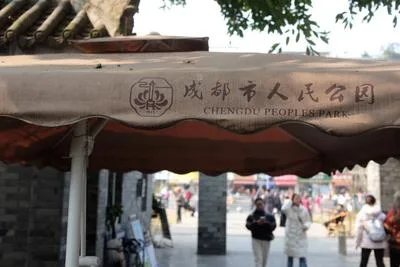
Chengdu’s defining institution is the tea house. Not the tourist kind with English menus. The park kind, where people in their sixties and seventies arrive at 8 AM with a thermos, claim a bamboo chair, and sit there for five hours. Mahjong tiles clack. Bird cages hang from trees. Tea refills cost a few yuan and come with judgment-free silence. The city’s unofficial motto is 巴适 (bā shì), which roughly translates to “everything is fine, stop worrying.”
The pace is slow. The streets are flat and tree-lined. Parks outnumber skyscrapers in the city center. You can spend an entire afternoon in People’s Park doing nothing and feel like you used your time correctly.
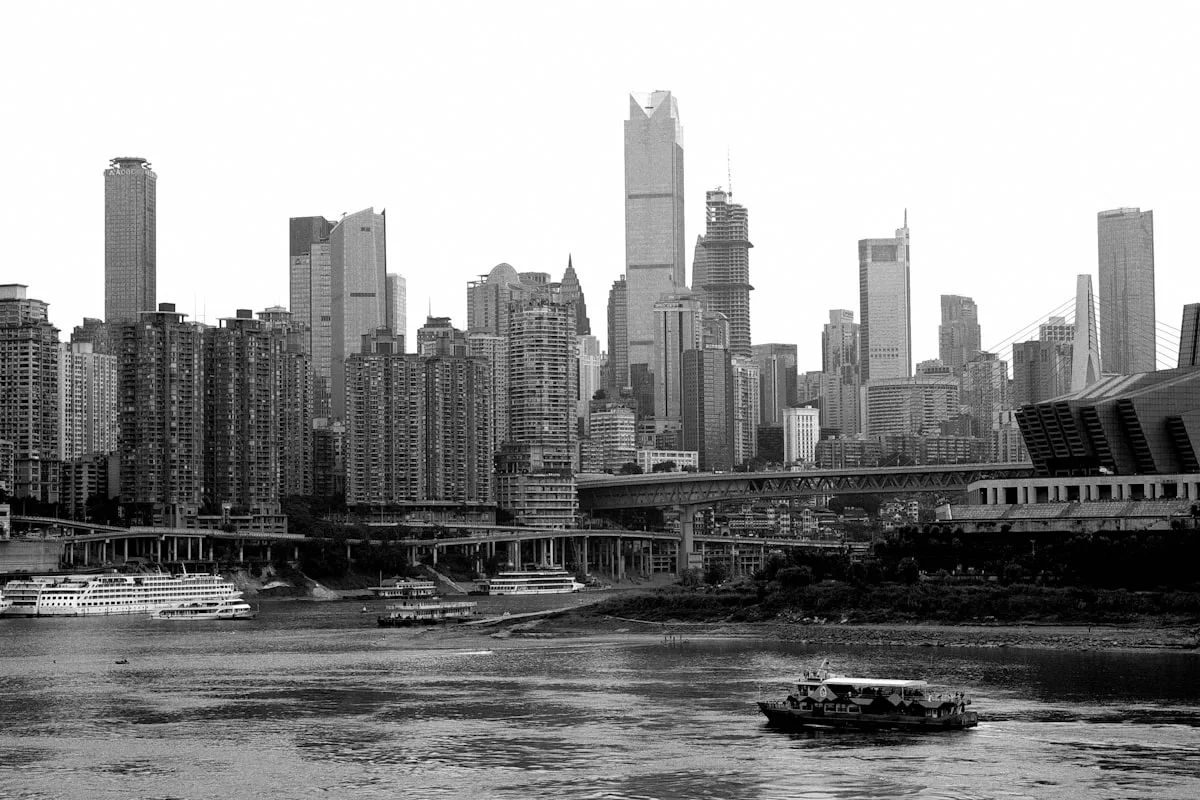
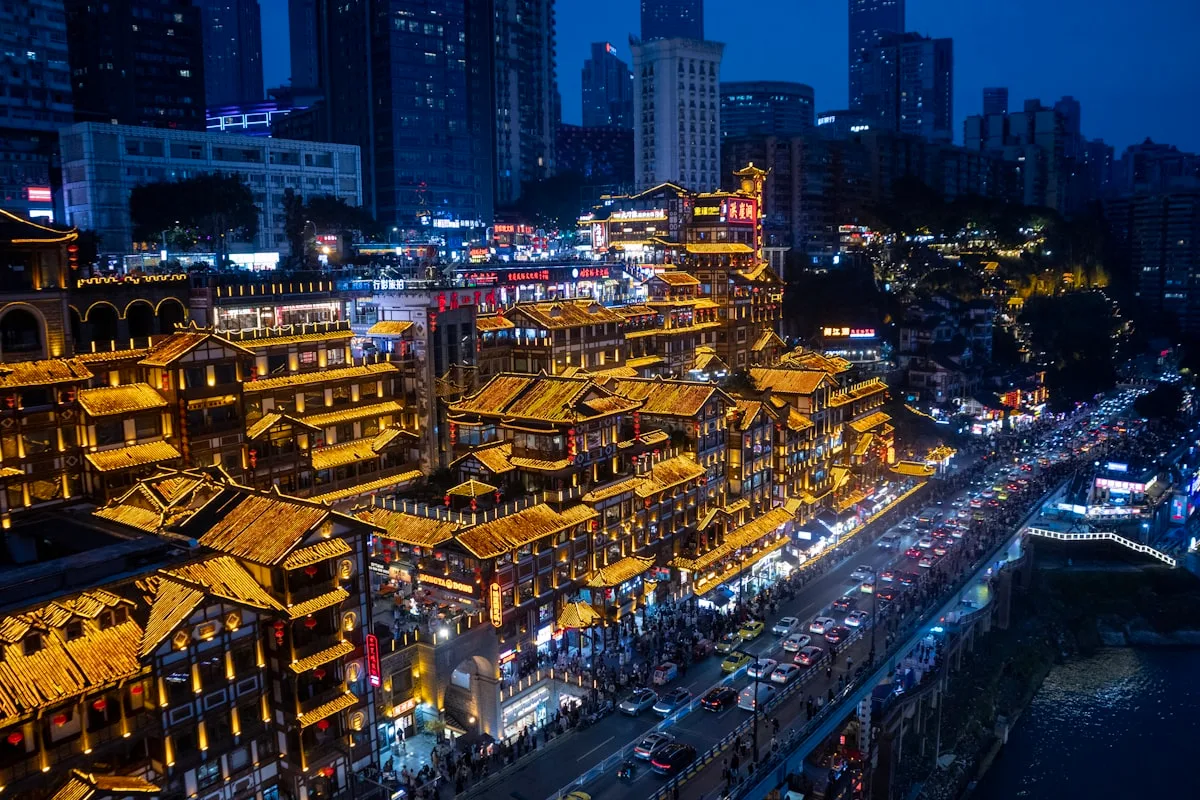
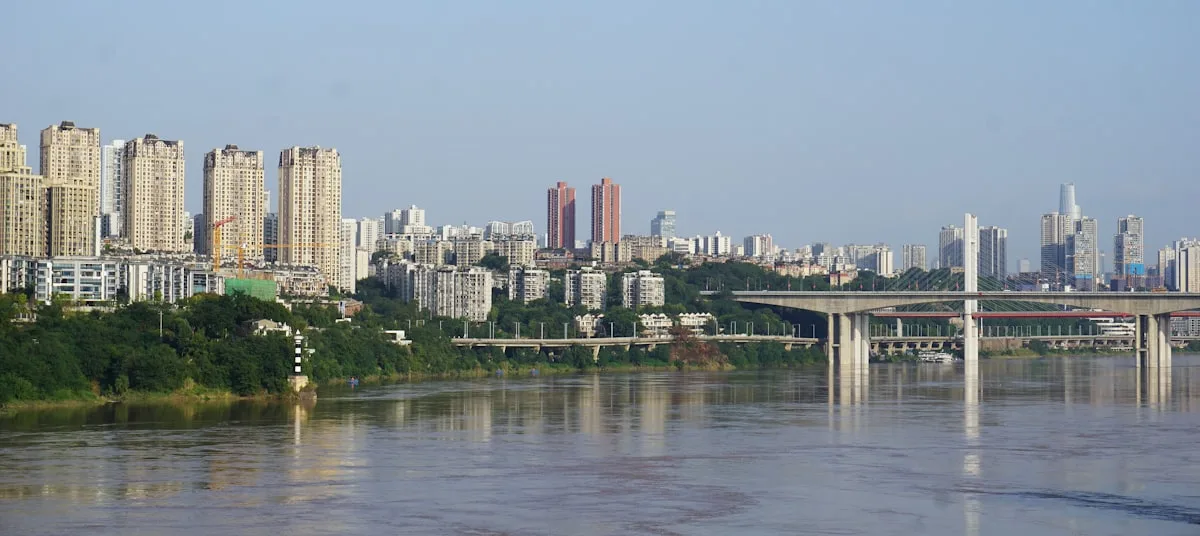
Chongqing does not do nothing. Chongqing is a vertical city built on steep hills at the confluence of the Yangtze and Jialing rivers, and it has spent the last two decades building upward at a speed that makes Shanghai look tentative. The skyline from the river at night, with layered bridges, elevated light rail trains threading through buildings, and towers stacked up the hillside like a circuit board, looks like a science fiction film set. The city has an unofficial aesthetic that the internet calls cyberpunk, and for once the internet is not exaggerating.
But Chongqing is loud. The streets are steep. The humidity is punishing. The city demands energy from you. If you arrive exhausted, Chongqing will exhaust you further. If you arrive curious, it will reward you at every turn.
The food: nuance vs. intensity
Both cities cook with chilies and Sichuan pepper. The similarity mostly ends there.
Chengdu food is about balance. A proper Chengdu dish layers heat, numbness from Sichuan peppercorn, sweetness, salt, and acid. Mapo tofu is not just spicy — it has fermented black beans, minced pork, and silky texture. Dan dan noodles coat the mouth with sesame paste and chili oil in equal measure. The best meals in Chengdu are long, varied, and conversational. You order eight dishes for four people and work through them slowly.
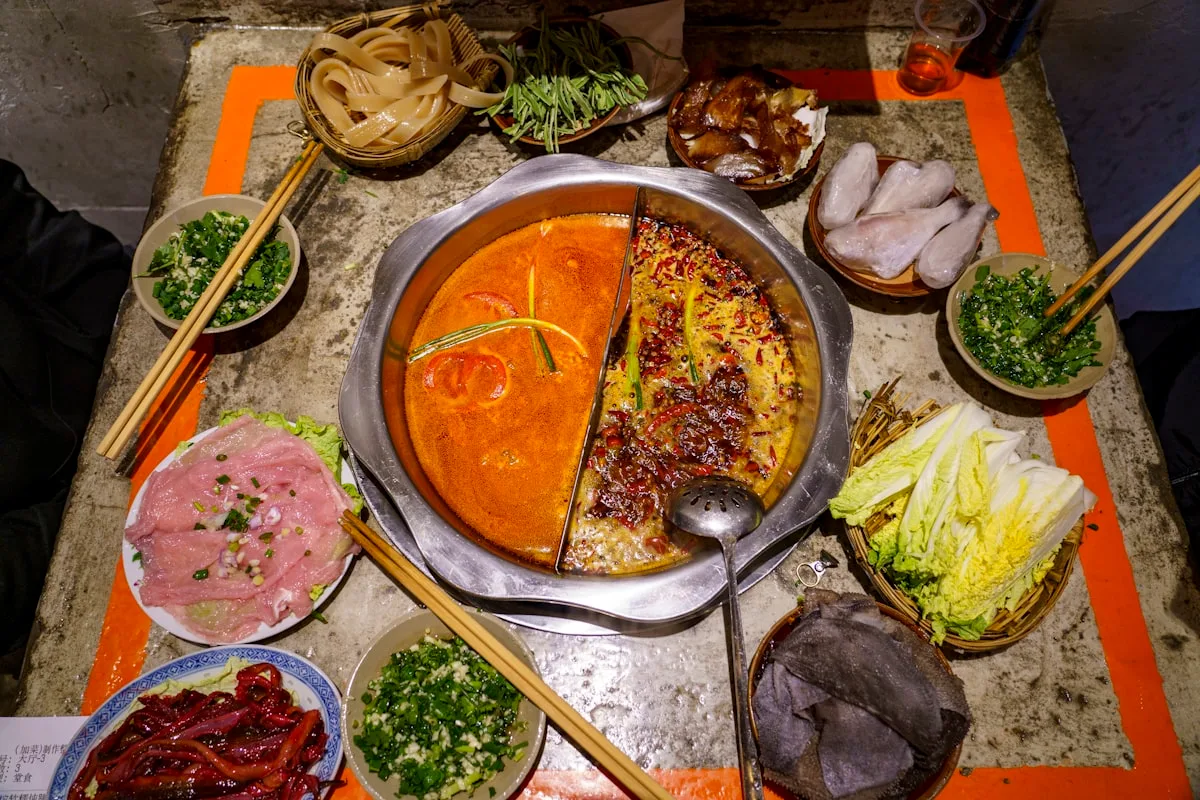
Chongqing food is about impact. Chongqing hotpot is the city’s culinary identity and it does not apologize. The broth is roughly 60% chili oil and 40% everything else. The signature ingredients are tripe, aorta, duck intestine, and other textures that Chengdu hotpot also uses but with less aggressive spicing. The first bite numbs your lips. The tenth bite makes you question your life choices. You will sweat through your shirt. The locals will ask if you want it spicier.
If you are a food traveler who wants to understand the range of Sichuan cuisine, pick Chengdu. If you want to test your heat tolerance against the most intense version of Chinese hotpot, Chongqing is the arena.
The city as an experience: strolling vs. navigating
Chengdu is easy. The metro covers the city well. The streets are flat enough for bicycles. The tourist infrastructure — English signage, Didi availability, hotel quality — is mature. You can navigate Chengdu without speaking a word of Mandarin and still get where you are going. The city was built for comfort and it extends that comfort to visitors.
Chongqing is navigational chaos. The city is built on mountainsides. A metro exit might deposit you on the sixth floor of a building with no obvious way to street level. Google Maps and Apple Maps both struggle with Chongqing’s three-dimensional geography. A route that looks like 500 meters on a flat map might involve eight flights of stairs, a pedestrian overpass, and an elevator through a shopping mall. Locals navigate by landmarks, not streets, because streets disappear into tunnels and reemerge as bridges.
This is either the best thing about Chongqing or the worst thing, depending on who you are. If you enjoy solving a city like a puzzle, Chongqing is the most interesting urban navigation challenge in China. If you want to relax, Chengdu is the easy choice.
What you actually do there
Chengdu in three days
Day one: Panda Base in the morning (arrive by 7:30 AM, before the crowds and before the pandas fall asleep). Afternoon in People’s Park drinking tea and watching the matchmaking corner, where parents post their adult children’s resumes on clotheslines. Evening Sichuan opera at Shufeng Yayun — the face-changing performance is a genuine spectacle that predates TikTok by about three hundred years.
Day two: Morning at Wuhou Shrine and Jinli Ancient Street. Afternoon exploring Kuanzhai Alley for the courtyard architecture. Dinner somewhere on Kēhuá Road, which has the current best concentration of serious Chengdu restaurants.
Day three: Day trip. Leshan Giant Buddha (71 meters, carved into a cliff face in the 8th century) is the classic. Or Mount Qingcheng, a Daoist mountain with trails and temples. Both are covered in our Chengdu day trips guide.
Chongqing in three days
Day one: Morning at Jiefangbei, the central monument, surrounded by the city’s densest shopping district. Walk to Hongyadong by late afternoon, when the tiered stilt-house complex starts lighting up. At night, take a Yangtze River cruise or just stand on the riverfront and watch the skyline. The light show is intentional and it is the best in China.
Day two: Liziba Station in the morning to watch the monorail pass through a residential building. Then Ciqikou, the old river town now crowded with food stalls and craft shops. Lunch is hotpot. Dinner is also hotpot, at a different restaurant, because that is what you do in Chongqing.
Day three: Day trip to Wulong Karst, a UNESCO site with three natural stone bridges and a limestone gorge. Or Dazu Rock Carvings, a collection of Buddhist cliff sculptures from the 7th to 13th centuries. Both are reachable by high-speed train or organized tour.
The decision matrix
| You should visit… | If you… |
|---|---|
| Chengdu | Want a relaxed, comfortable city with pandas and tea houses |
| Chengdu | Are a first-time China visitor who wants softer infrastructure |
| Chengdu | Want to understand Sichuan cuisine beyond “spicy” |
| Chengdu | Prefer flat, walkable, bikeable streets |
| Chongqing | Want to see the most visually dramatic city in China |
| Chongqing | Enjoy urban exploration and navigational challenges |
| Chongqing | Are a photographer or someone who loves dramatic skylines |
| Chongqing | Have already been to Chengdu and want the other side of the story |
For the solo traveler who wants to ease into China: Chengdu. For the experienced traveler who wants a city that looks like nowhere else on earth: Chongqing.
Can you do both?
Yes, and it is easy. Chengdu East to Chongqing North is one hour by high-speed train, with departures roughly every 20 minutes. The fare is about ¥150 ($21) one way. You can leave Chengdu after breakfast and be eating Chongqing hotpot by lunch.
The ideal split for a week: four nights in Chengdu, three in Chongqing. Chengdu first because it is gentler and gives you time to adjust. Chongqing second because it is more intense and sends you home with the stronger memory.
If you have less than a week, pick one. Splitting five days between two cities this different means you will not do justice to either. The train is short but the cities demand time.
If you need pandas and tea and a city that lets you breathe: Chengdu. If you need a city that looks like the future crashed into a mountain and decided to stay: Chongqing. Either way, bring stomach medicine. The peppercorn gets both of you in the end.
Frequently asked questions
Which is better for first-time visitors, Chengdu or Chongqing?
Chengdu is better for first-time China visitors. It has flat, walkable streets, mature tourist infrastructure with English signage, and a relaxed pace centered on tea houses and parks. The metro covers the city well and you can navigate without speaking Mandarin. Chongqing is better for experienced travelers who want a visually dramatic city and enjoy urban exploration — its vertical, multi-level geography confuses even Chinese visitors, but rewards curiosity at every turn.
How far is Chengdu from Chongqing by train?
Chengdu East to Chongqing North is about one hour by high-speed train, with departures roughly every 20 minutes throughout the day. The fare is about ¥150 ($21) one-way. You can leave Chengdu after breakfast and be eating Chongqing hotpot by lunch. The train is comfortable, punctual, and far easier than flying for this distance.
Can I visit both Chengdu and Chongqing in one trip?
Yes, and the logistics are easy. The ideal split for a week: four nights in Chengdu, three in Chongqing. Start with Chengdu — it is gentler and gives you time to adjust to China. Finish with Chongqing — it is more intense and sends you home with the stronger memory. If you have less than five days total, pick one city. Splitting too little time between two cities this different means you will not do justice to either.
Which city has better food?
They share a peppercorn but have fundamentally different philosophies. Chengdu food is about balance — layering heat, numbness from Sichuan pepper, sweetness, salt, and acid across varied dishes eaten slowly. The best meals are long, conversational, and shared. Chongqing food is about impact — the hotpot broth is roughly 60% chili oil, the signature ingredients include tripe and duck intestine, and the first bite numbs your lips. Chengdu is better for understanding the range of Sichuan cuisine. Chongqing is better for testing your heat tolerance against the most intense version of Chinese hotpot.
Is Chongqing more expensive than Chengdu?
Prices are similar in both cities. Expect ¥150–300 per night for a good mid-range hotel, ¥30–80 per person for a restaurant meal, and ¥3–8 for metro rides. Chongqing hotpot averages ¥60–100 per person; a multi-dish Sichuan dinner in Chengdu runs ¥80–150 per person. Both cities are affordable by international standards — neither will strain a typical travel budget.
How many days do I need in each city?
Three full days in each city covers the highlights comfortably. A Chengdu itinerary: Panda Base (arrive by 7:30 AM), People’s Park tea house, Sichuan opera, Jinli and Kuanzhai Alley, plus one day trip to Leshan Giant Buddha or Mount Qingcheng. A Chongqing itinerary: Jiefangbei and Hongyadong, Yangtze River night cruise, Liziba monorail through a building, Ciqikou old town, plus one day trip to Wulong Karst or Dazu Rock Carvings. Four nights Chengdu plus three nights Chongqing is the sweet spot for a week-long trip.