Missed Your Train in China? Here Is Exactly What to Do
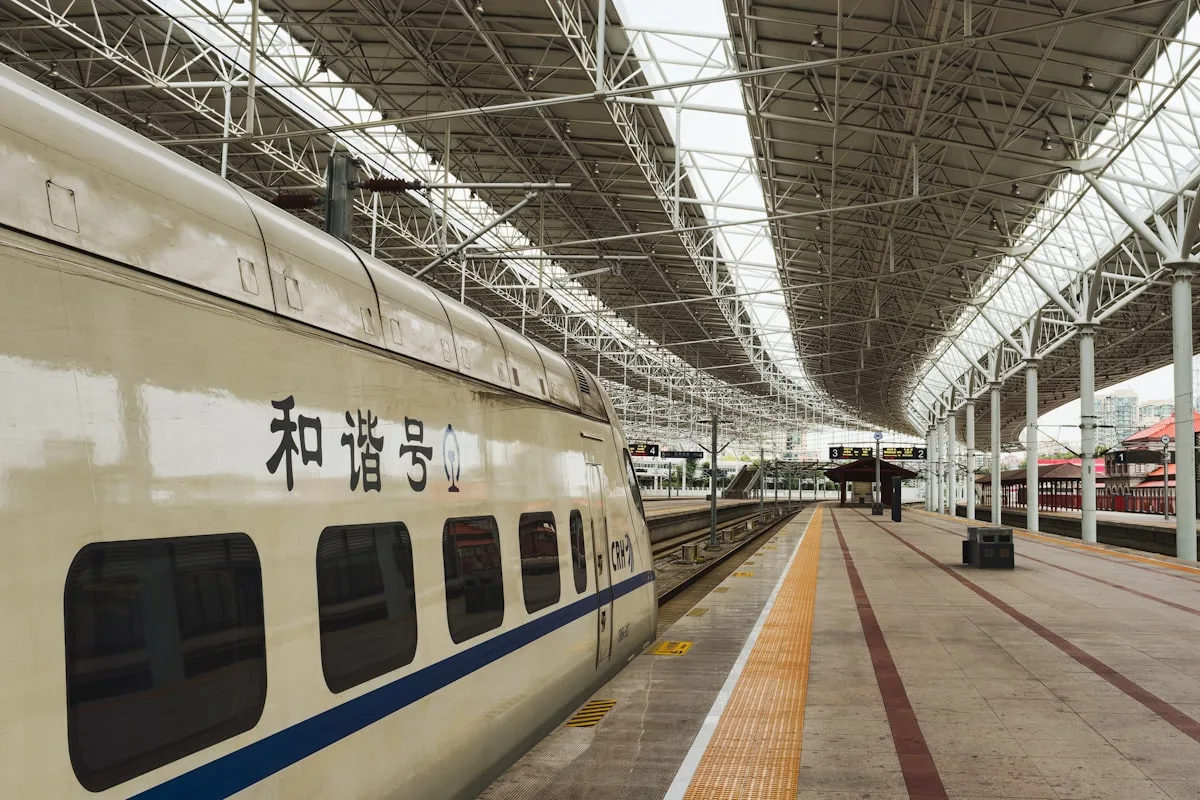
China’s high-speed rail network runs at 98.8% punctuality, but travelers run at something lower. People miss trains. They board the wrong one. They leave a bag on the luggage rack and only realize it when the train is a hundred kilometers down the line.
All of these things happen. Chinese railway stations process ticket changes, refunds, and lost-item claims every single day. There is a process for everything. The problem is that the process is rarely explained in English, the staff at the counter may not speak it, and panic makes it easy to forget that you have options.
This guide covers the most common high-speed rail emergencies and how to fix them, step by step. If you need the basics of how the system works before things go wrong, start with our high-speed rail guide. For getting around cities once you arrive, the China subway guide covers metro systems in every major city.
You missed your train
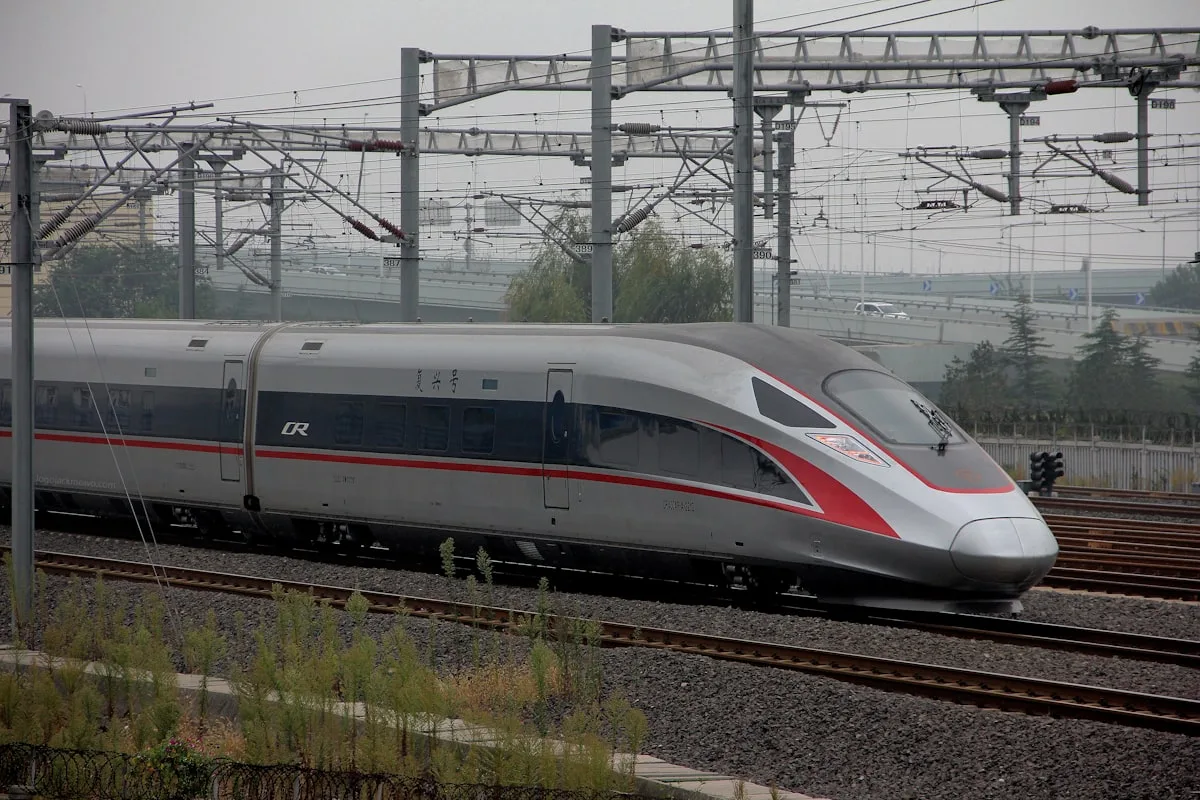
You arrived at the station, the security line was longer than you expected, and the gate closed three minutes before you reached it. The train is gone. Here is what happens next.
Do not buy a new ticket. Not yet. Go to the ticket counter first.
Your existing ticket has value. China Railway’s change policy allows you to reschedule a missed train to a later departure on the same day, on the same route, for free or for a small fee.
If you booked through Trip.com (English), open the app, go to your booking, and look for the modify or change button. Trip.com allows changes up to a certain cutoff before departure. If you missed the cutoff, you may need to cancel and rebook. Trip.com’s English customer service chat handles this. They are reachable inside the app. Use them. They speak English and know the railway system better than you do.
If you booked through 12306 (Chinese app), you can reschedule once for free if the new train is the same route and class and departs on the same day. There is a time window: you must reschedule before the original train’s departure time, or within a short grace period after. The exact grace period varies by station, but do not count on it. Use the 12306 app’s change function (改签) as soon as you know you will be late.
If you are already at the station, go to the ticket counter immediately. Look for a window marked 改签 (gaǐ qiān, ticket change). Hand the attendant your ticket or booking confirmation and say the name of your destination. They will find the next available train for you. If the next train is full, they may offer a standing ticket (无座, wú zuò). Take it. Standing on a Chinese high-speed train for two hours is uncomfortable but functional. You can sit in the dining car or stand near the carriage connectors where there is more space.
Bring your passport. The counter will ask for it. The name on your ticket must match your passport exactly. If it does not match — because you entered a shortened name or omitted a middle name — this process will get complicated. Always book train tickets with the exact name that appears on your passport. If you are budgeting your trip, see our China travel budget guide for typical train costs across popular routes.
The fee: if you reschedule before departure, the change is free for same-day same-route. If you change to a different route or a different day, you pay the fare difference. If you cancel outright, the refund is partial: typically 75-95% of the fare depending on how far in advance you cancel. The closer to departure, the lower the refund.
You boarded the wrong train
This is easier to do than you think. Two trains leave from adjacent platforms at nearly the same time. You follow the crowd, step on, and five minutes later the display shows a destination you do not recognize.
Do not panic. Do not try to open the doors. The train is moving and you are on it until the next station.
When the train stops at the next station, get off. Find a uniformed station attendant on the platform. Show them your ticket and explain that you boarded the wrong train. The key Mandarin phrase: 我上错车了 (wǒ shàng cuò chē le) — “I got on the wrong train.”
The attendant will direct you to the service counter inside the station. Show your original ticket and explain where you need to go. Station staff deal with wrong-train passengers regularly. They will help you find the next train going the right direction. You will likely need a new ticket for that leg. The cost is usually the fare from the wrong station to your original destination.
If you are on a train that has an English-speaking conductor — not guaranteed but more common on major routes between Beijing, Shanghai, and Guangzhou — tell them what happened. They may be able to help you coordinate before you reach the next station.
You got off at the wrong station
This happens most often at intermediate stops where the station name sounds similar to your destination, or when you misread the display and exit early.
The train you were on is gone. Your original ticket is now worthless for the remaining segment. There is no trick to recover it.
What you do: go to the ticket counter, buy a new ticket from this station to your actual destination, and wait for the next train. A short-hop ticket between two stations on the same line costs ¥30-50 ($4-7). High-speed trains on major corridors run every 15 to 30 minutes, so your delay will be measured in one train cycle, not a full day.
There is no official policy that covers this situation. You made a mistake, you buy a new ticket, you move on. The good news is that short-hop fares on Chinese high-speed rail are cheap enough that the financial damage is minimal.
Your train is delayed or canceled
Delays are rare. The 98.8% on-time rate is real. But extreme weather — typhoons in the south, snow in the northeast — can disrupt service. When it happens, you have rights.
If your train is delayed by more than 30 minutes: you can cancel for a full refund, no penalty. The refund window extends beyond the departure time in this case. Go to the ticket counter, or use your booking app.
If your train is canceled outright: you get a full refund automatically if you booked through 12306. Trip.com will notify you and process the refund. You do not need to do anything. If you are already at the station, the cancellation will be announced over the PA system in Mandarin. Watch for groups of people moving toward the ticket counters — that is your signal that something changed.
If you are mid-journey and the line ahead is blocked by weather or an incident: the train will wait. It may wait for hours. Chinese high-speed rail policy prioritizes not stranding trains between stations. You will be on board with working power, air conditioning, and toilets. Food may run low on very long delays, but water and basic supplies will be provided. This is exceptionally rare.
When a connecting train is missed because of a delay on your first train: go to the service counter at your transfer station. Show both tickets. The railway is responsible for getting you to your final destination if a delay on their network caused you to miss a connection. They will rebook you on the next available service at no charge.
You left something on the train
Realizing you left your bag, phone, or jacket on a train that is now speeding toward the next province is a uniquely hollow feeling. But the recovery rate is higher than you might expect.
Step 1: Call 12306. Dial 12306 from any Chinese phone number. Press for English service if available. The automated menu is in Mandarin, so you may need a Chinese speaker. Tell the operator your train number, carriage number, seat number, and a description of the lost item. Train numbers are on your ticket: G123, D456, etc. Carriage and seat numbers are printed on the ticket and displayed inside the train.
Step 2: If the call does not work, go to the lost and found counter at your station. Every major station has one. Look for 失物招领 (shī wù zhāo lǐng). Tell them your train number and description of the item. Station staff can contact the train crew directly. The train crew can check the carriage while the train is still running.
Step 3: Register online. The 12306 website and app have a lost and found function (遗失物品查找). It is in Chinese. Input your train number, date, and item description. The system will match your report against items found on trains.
What happens next: if your item is found, it will be held at the train’s terminal station or handed off at an intermediate stop. You can pick it up in person with your passport, or arrange for it to be forwarded to another station on the same line. There is a small fee for forwarding. Recovery typically takes 24-72 hours. A surprising number of laptops, passports, and bags make it back to their owners through this system.
You lost your ticket or your phone died
Lost paper ticket: if you collected a physical ticket from the machine using your passport, and you lose it, go to the ticket counter. They can reissue it using your passport and booking confirmation. There is a small fee, typically ¥5. If you booked through Trip.com and have not collected a paper ticket, you do not need one — your passport is your ticket. The gate scans your passport directly.
Phone battery is dead and you need your e-ticket: this is why you carry a printout. Before your trip, print your Trip.com booking confirmation. The paper shows your train number, departure time, gate, and seat. Show the printout at the ticket counter or at the manual gate. A printed confirmation will also help you communicate at the ticket change counter if you miss your train.
Phone is dead and you have no printout: go to the ticket counter with your passport. They can look up your booking by passport number. This takes longer. Do not rely on it as your primary plan.
You went to the wrong station
Chinese cities often have multiple high-speed rail stations. Beijing has five: Beijing South, Beijing West, Beijing, Beijing North, and Beijing Chaoyang. Shanghai has Shanghai Hongqiao, Shanghai, and Shanghai South. If your ticket says 北京南 (Beijing South) and you go to 北京西 (Beijing West), you are at the wrong station.
Stations can be 30 to 60 minutes apart in a major city. If you realize the mistake early enough, a taxi or Didi to the right station might get you there before your train departs. If not, the same missed-train procedure applies: go to the ticket counter at the station where you are and reschedule.
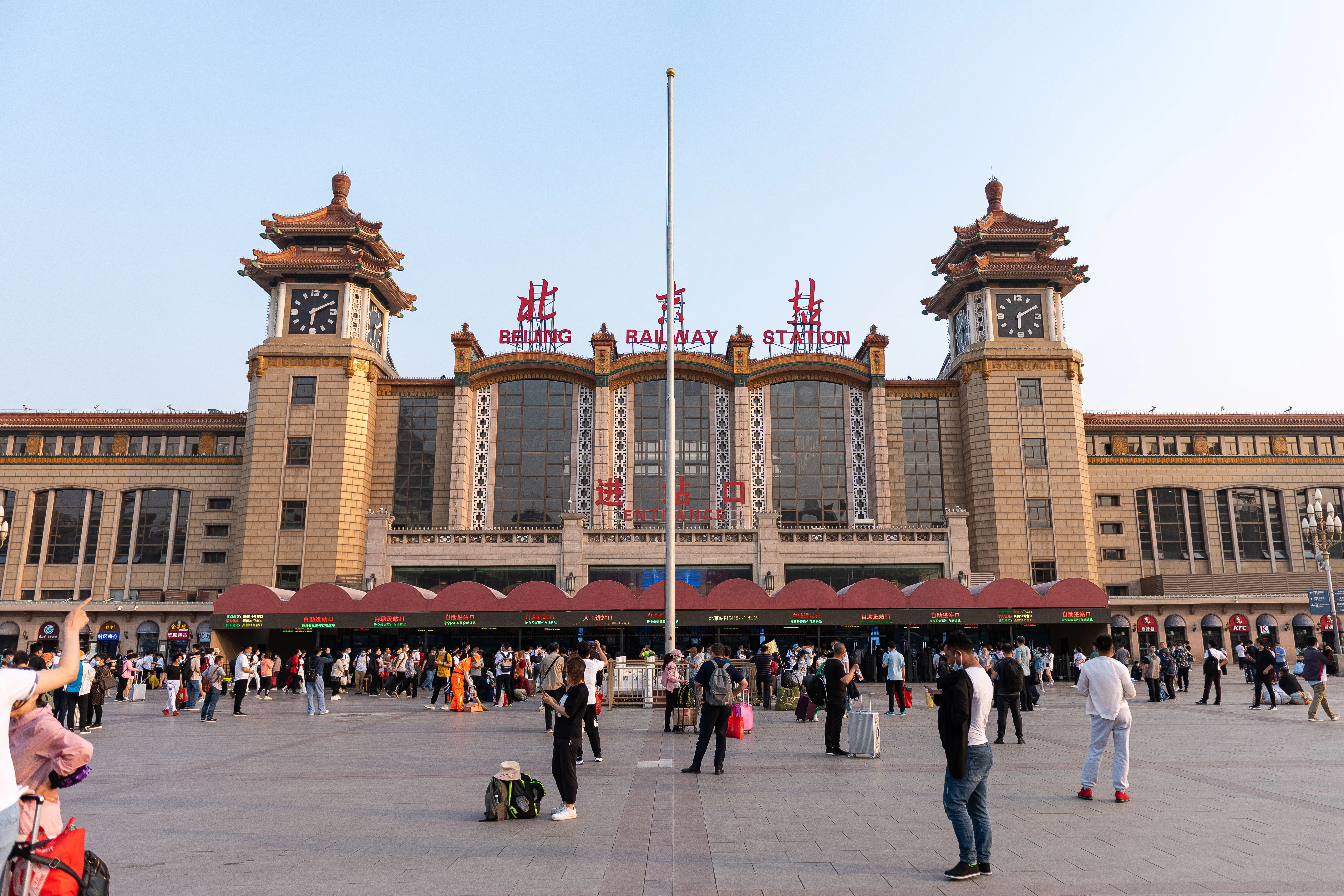
Before you leave your hotel, double-check the station name on your ticket. Trip.com displays the English name correctly: “Beijing South,” “Shanghai Hongqiao,” etc. Cross-reference it with the destination in your map app. If your ticket just says “Beijing” without a suffix, it is the main Beijing Railway Station, not Beijing South or Beijing West.
Quick reference: Chinese phrases for railway emergencies
| Situation | Mandarin | Approximate pronunciation |
|---|---|---|
| I missed my train | 我误车了 | wǒ wù chē le |
| Can I change my ticket? | 可以改签吗? | kě yǐ gǎi qiān ma? |
| Next train to [city] | 下一趟去[city]的车 | xià yī tàng qù [city] de chē |
| I got on the wrong train | 我上错车了 | wǒ shàng cuò chē le |
| I left something on the train | 我把东西落在车上了 | wǒ bǎ dōng xi là zài chē shàng le |
| Where is the ticket counter? | 售票处在哪里? | shòu piào chù zài nǎ lǐ? |
| Lost and found | 失物招领 | shī wù zhāo lǐng |
When something goes wrong on China’s railways, the infrastructure for fixing it is there. The counters are staffed. The procedures exist. The system handles millions of passengers a day and it is designed to absorb mistakes. Your job is to stay calm, go to the counter, show your passport, and communicate your destination. The railway will do the rest.
Related guides
- CR450: China’s 400 km/h High-Speed Train — what is confirmed about the new train and when it actually runs