PSB Registration in China: The Paperwork You Didn't Know You Needed
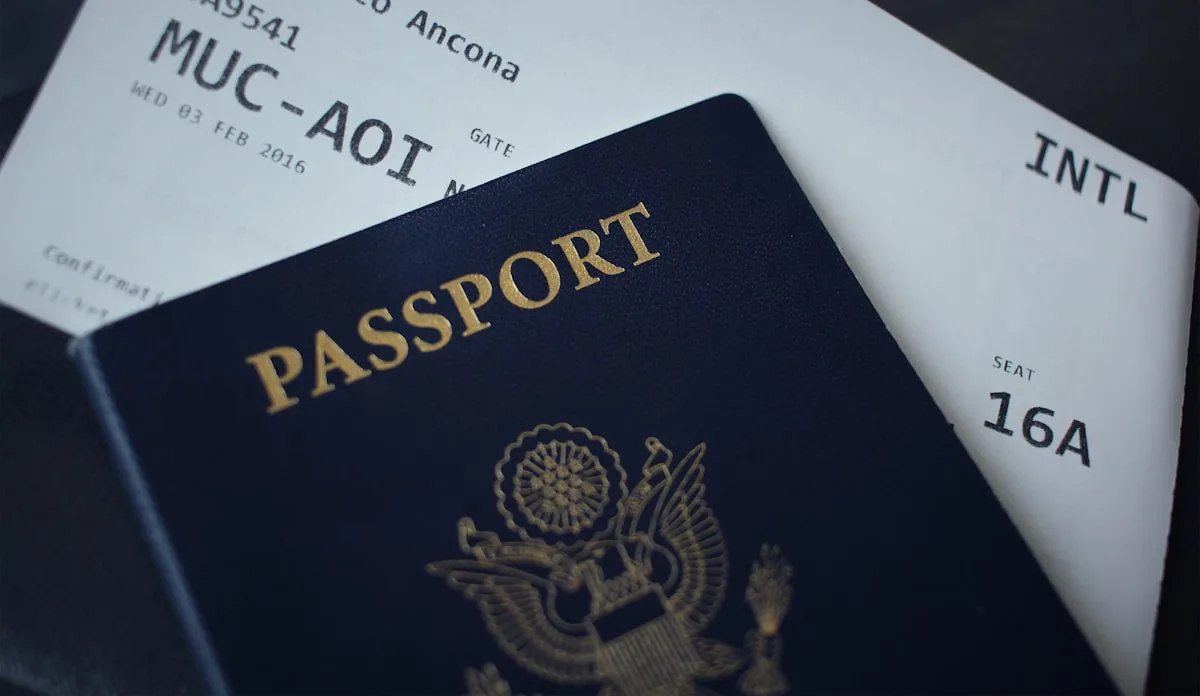
You land in China, check into your hotel, and start your trip. What you do not know: Article 39 of China’s Exit and Entry Administration Law requires every international visitor to register their accommodation with the Public Security Bureau within 24 hours of arrival. Miss it, and the fine is up to ¥2,000.
For hotel guests, this happens invisibly. The front desk scans your passport, the system transmits the data, and you never think about it again. For anyone staying in a private home — an Airbnb, a friend’s apartment, a rural guesthouse — the obligation is yours.
Most first-time visitors have no idea this rule exists. This guide explains exactly what it requires, when it applies, and how to handle it without stress.
What PSB registration actually is
PSB registration is separate from your visa. Your visa gives you permission to enter China. PSB registration records where you are staying once inside.
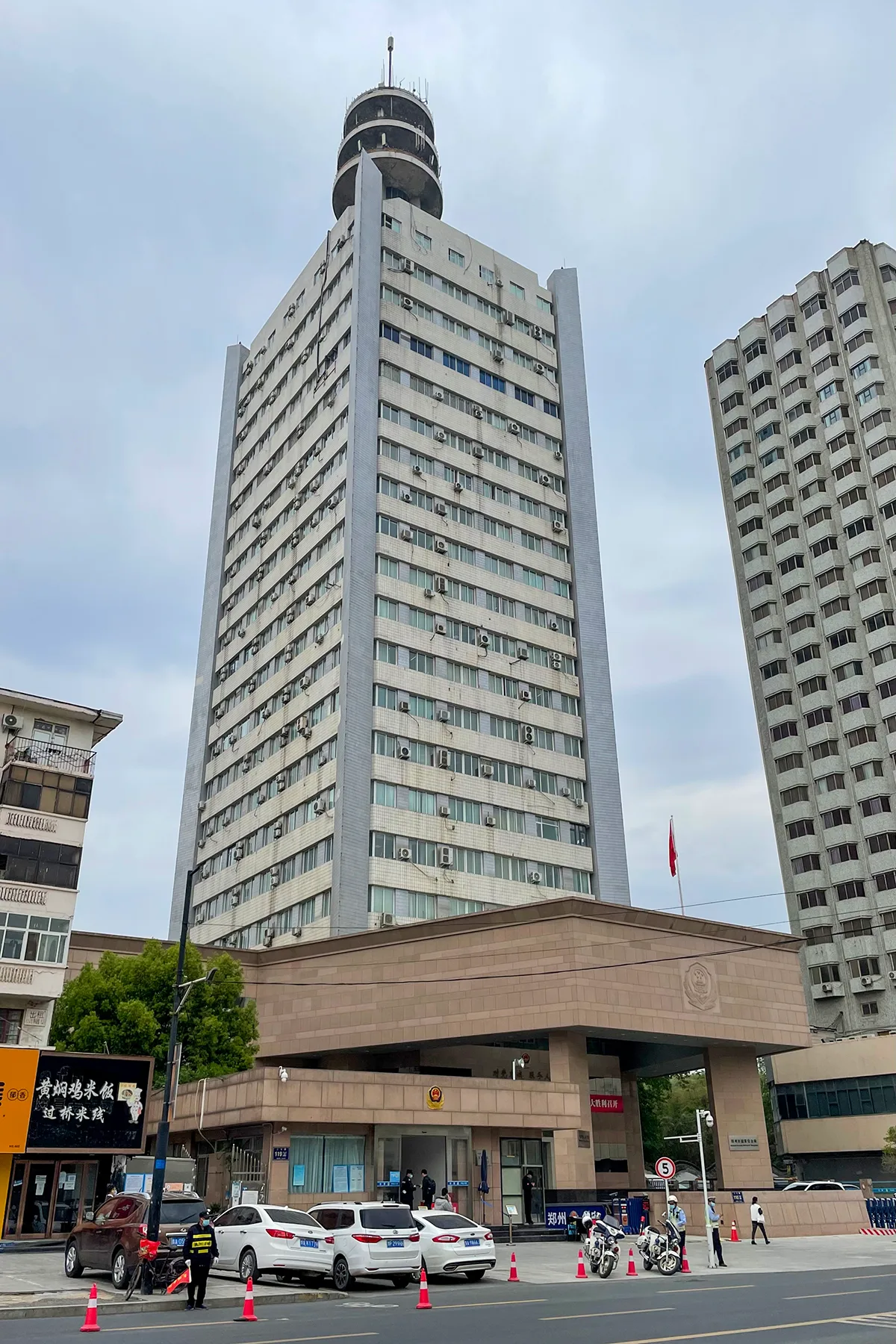
The legal basis is Article 39 of the Exit and Entry Administration Law. It applies to everyone holding a non-Chinese passport: tourists, business travelers, students, long-term residents. The clock starts when you arrive at your accommodation. You have 24 hours to register. In rural areas, the deadline extends to 72 hours in practice, though the legal text does not always reflect this flexibility.
Two scenarios matter:
| Scenario | Who registers | Where | What you get |
|---|---|---|---|
| Licensed hotel | Hotel staff do it automatically when they scan your passport | At the front desk | Nothing visible: data sent to PSB electronically |
| Private residence | You or your host | Local PSB station (派出所) | Temporary Residence Registration Form (TRRF): a stamped paper |
The distinction matters because the consequences differ. Skip registration at a hotel and the hotel gets fined, not you. Skip it at a private address and you are the one facing the penalty.
Hotels: you do nothing
This is the easy case. When you hand over your passport at check-in, the hotel enters your details into a system connected to the local PSB. The process takes a few minutes and happens in the background. You will not see any confirmation, receive any paper, or sign anything beyond the usual check-in form.
The hotel’s obligation is what creates the rejection problem covered in our accommodation guide. If a hotel scans your passport and makes a data-entry error, the police station calls. Repeated errors can trigger fines of ¥5,000 for the hotel. This is why some small hotels preempt the whole situation by refusing guests with non-Chinese passports — they would rather lose a booking than risk a fine. Hotels that do accept you are handling this registration automatically and correctly.
One small thing to do at check-in: ask for a copy of the Temporary Residence Registration Form. Some hotels print one automatically. Most do not — it is optional for them and they are not required to offer it. If you ask, they can usually print it. Having the paper is useful if you plan to extend your visa or if your next destination asks for proof of prior registration.
Private stays: you go to the police station
This is where the rule has actual teeth. If you stay in an Airbnb, a friend’s home, or any unlicensed accommodation, you or your host must visit the local PSB station in person within 24 hours.

The station you need is the one that covers the address where you are staying. Your host will know which one — every residential compound in China falls under a specific派出所 jurisdiction. Do not guess and go to the wrong one. They cannot process registrations for addresses outside their area.
What to bring:
Your original passport. Same rule as hotels: no photocopies, no phone photos. The officer needs the physical document.
A copy of your visa page and most recent entry stamp. Bring photocopies if you have them. If not, the station can make copies, but having your own saves time.
Your host’s ID card copy. Your Chinese host must provide a photocopy of their身份证 (national ID card). If your host is a foreign resident, they need their passport and their own valid TRRF. A host who is unwilling to provide their ID is a red flag — and the registration will not proceed without it.
The full address in Chinese. Not the pinyin. Not the English translation. The exact Chinese characters matching the residential registration system. Your host should write this down for you.
A rental contract if applicable. If you booked through Airbnb or another platform, print the booking confirmation. The platform receipt usually includes the address and host name in Chinese, which the officer can use.
The process itself is straightforward. You wait in line, hand over the documents, the officer enters the information, and you receive a stamped Temporary Residence Registration Form. Total time: typically 15 to 30 minutes, depending on the queue.
No one at the station will speak English. Bring your host or a Chinese-speaking friend. A translation app works in a pinch, but having a person who can explain your situation saves time and confusion.
The TRRF: what it is and why it matters
The Temporary Residence Registration Form is a single sheet of paper with a red police stamp. It records your name, passport number, visa type, and the address where you are staying.
Two reasons to keep it safe:
First, visa extensions. If you apply to extend your visa, the Entry-Exit Bureau will ask for proof of where you have been staying. A TRRF from each address is the standard proof. Without it, your extension application hits a wall.
Second, departure checks. Immigration officers at the airport can ask for registration records. Being asked is uncommon — most travelers exit without anyone checking. But if you are asked and cannot produce evidence, the conversation starts with a fine and can escalate to a note in your immigration file.
If you lose the TRRF, you can return to the same PSB station that issued it and request a replacement. This is a hassle but possible. The station keeps digital records.
If you stay only in licensed hotels throughout your trip, you will never see a TRRF and you do not need one. The hotel’s electronic registration covers you. The printed form matters only for private stays.
Moving between cities: re-register every time
Each time you change cities, the 24-hour clock resets. A hotel stay handles it automatically. A private stay means another trip to the local PSB station.
A two-week trip might look like this:
| Night | City | Accommodation | Registration |
|---|---|---|---|
| 1-3 | Beijing | Hotel | Front desk handles it |
| 4-6 | Xi’an | Airbnb | You or host visit Xi’an PSB within 24 hours |
| 7-9 | Chengdu | Hotel | Front desk handles it |
| 10-12 | Guilin | Friend’s apartment | Visit Guilin PSB within 24 hours |
The rule applies per address, not per trip. Even moving between two apartments in the same city requires re-registration if you stay in both. This is rarely enforced for same-city moves, but the letter of the law covers it.
If you are on a multi-city trip with a mix of hotels and private stays, keep the hotel bookings concentrated at the start of each new city. Check into the hotel first, let the front desk handle registration, and then move to your private stay if you want to. The hotel registration covers the first night, and you handle the PSB visit the next morning at your convenience rather than rushing there at 11pm.
Enforcement: what actually happens
The legal penalty for failing to register is a warning and a fine of up to ¥2,000. In practice, enforcement varies.
In Beijing, Shanghai, and Guangzhou, hotels are diligent about electronic registration. The system is automated and oversight is tighter. If a hotel accepts you, you are registered. Private-stay registration in these cities is also stricter — the PSB stations process these routinely and expect compliance.
In smaller cities and rural areas, enforcement is looser. A guesthouse in a Guizhou village may not register you at all, and no one will check. The risk is not zero, but it is low.
The real enforcement point is not the PSB officer coming to your door. It is the immigration officer at the airport when you leave. Most travelers exit without incident. The ones who get flagged usually have a pattern: multiple entries and exits, visa runs, long stays without hotel records. A tourist on a two-week trip staying in chain hotels will not attract attention.
If you are asked to show registration records at departure and you cannot, the outcome ranges from a verbal warning to a ¥2,000 fine to a note in your file. Avoiding the situation costs less effort than resolving it after the fact.
The March 2026 update: online registration is arriving
Since March 2026, foreigners staying in private residences in seven provincial-level regions can register online instead of visiting a police station in person. The initial rollout covers Hebei, Liaoning, Zhejiang, Hubei, Guangxi, Chongqing, and Sichuan. National expansion is planned but has no announced timeline.
The online system works through a government platform accessed via WeChat or a dedicated app. You upload photos of your passport, visa page, and entry stamp, enter your address, and submit. Approval is usually same-day, and you receive a digital TRRF.
The system is in Chinese only. Your host will need to help with the address entry and documentation. If the online system rejects your submission — which happens with blurry photos or address mismatches — you still need to visit the station in person.
For now, treat online registration as a convenience option where available, not a replacement for knowing where the local PSB station is. The seven-province coverage means most destinations international travelers visit are not yet covered.
The short version
Stay in licensed hotels and none of this touches you. The system runs in the background, and you will never see it.
Stay in a private home and you need to spend 30 minutes at the local PSB station within 24 hours of arrival. Bring your passport and your host. Get the stamped paper. Keep it.
For most trips, the PSB registration rule is invisible infrastructure, like customs or passport control: it is there, it is mandatory, and when it works smoothly you do not notice it. Know it exists, plan for it if your trip includes private stays, and otherwise get on with your trip.