Where to Shop in China: Tailors, Markets & Electronics Districts
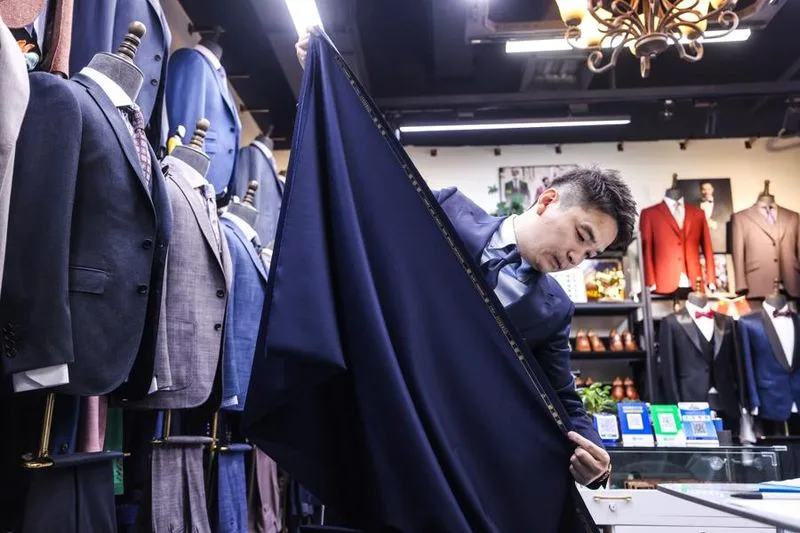
A Swiss executive flew to Shanghai, walked into the South Bund Fabric Market, and ordered 15 shirts, 4 suits, and a jacket. He got measured on arrival, did two fittings during his stay, and flew home a week later with an entire tailored wardrobe for less than the price of one bespoke suit in Zurich.
This happens every day in China now. The “China Shopping” (中国购) wave is real, international tourists arriving with empty suitcases and leaving with DJI drones, custom clothing, cheap electronics, POP MART blind boxes, and tea that would cost triple back home.
The Chinese government noticed. In 2025, they dropped the departure tax refund threshold from ¥500 to ¥200, raised the cash refund cap to ¥20,000, and installed “buy now, refund now” counters in major shopping districts. Tax refund applications jumped 240% in Beijing in the first month.
This guide covers what’s actually worth buying, where to buy it, how to get your tax refund, and how to not get ripped off.
The New Three: What International Travelers Actually Buy in 2026
The old souvenir trinity, silk, tea, ceramics, still sells. But a new lineup has taken over international travelers’ shopping lists:
1. DJI Drones and Action Cameras
DJI, the world leader in consumer drones, is a Chinese company. Their products cost 20-35% less in China than in North America or Europe. Add the 9% tax refund and you’re saving $200-400 on a drone.
The DJI flagship store in Beijing’s Guomao district set a record of 13 drone orders from international buyers in a single day. The staff speaks English. They’ll walk you through setup, register your drone, and explain how Chinese drone regulations affect tourists (short answer: you can’t fly in most city centers, but rural areas and scenic spots are generally fine).
DJI stores are in Beijing (Guomao), Shanghai (Xintiandi), Shenzhen (Nanshan), and Chengdu (Taikoo Li). Same products, same prices. Shenzhen is the mothership.
2. Small Home Appliances and Smart Gadgets
Chinese electronics brands, Xiaomi, Huawei, OnePlus, sell products in China that never reach Western markets. Portable fans that also charge your phone. Electric screwdrivers the size of a pen. Smart lamps, air purifiers, toothbrushes, rice cookers. Prices run 40-60% lower than equivalent products on Amazon.
Xiaomi stores are in every major mall in every city. The packaging is Apple-grade. The products work. The Xiaomi portable electric screwdriver (¥129, about $18) is the single most popular non-obvious souvenir among returning China travelers.
Huaqiangbei (华强北) in Shenzhen is the motherlode: 1.45 square kilometers, over 40 wholesale electronics markets, roughly 110,000 vendors. Over 7,000 international visitors browse daily. You can find wireless earbuds for ¥50, AI translation devices, smartwatches, mini projectors, and electronic components you didn’t know existed. Quality varies wildly. Test before you buy. For brand-name electronics, stick to official stores. For cables, cases, and accessories, Huaqiangbei prices are the lowest on Earth.
3. Cultural Creative Goods (文创)
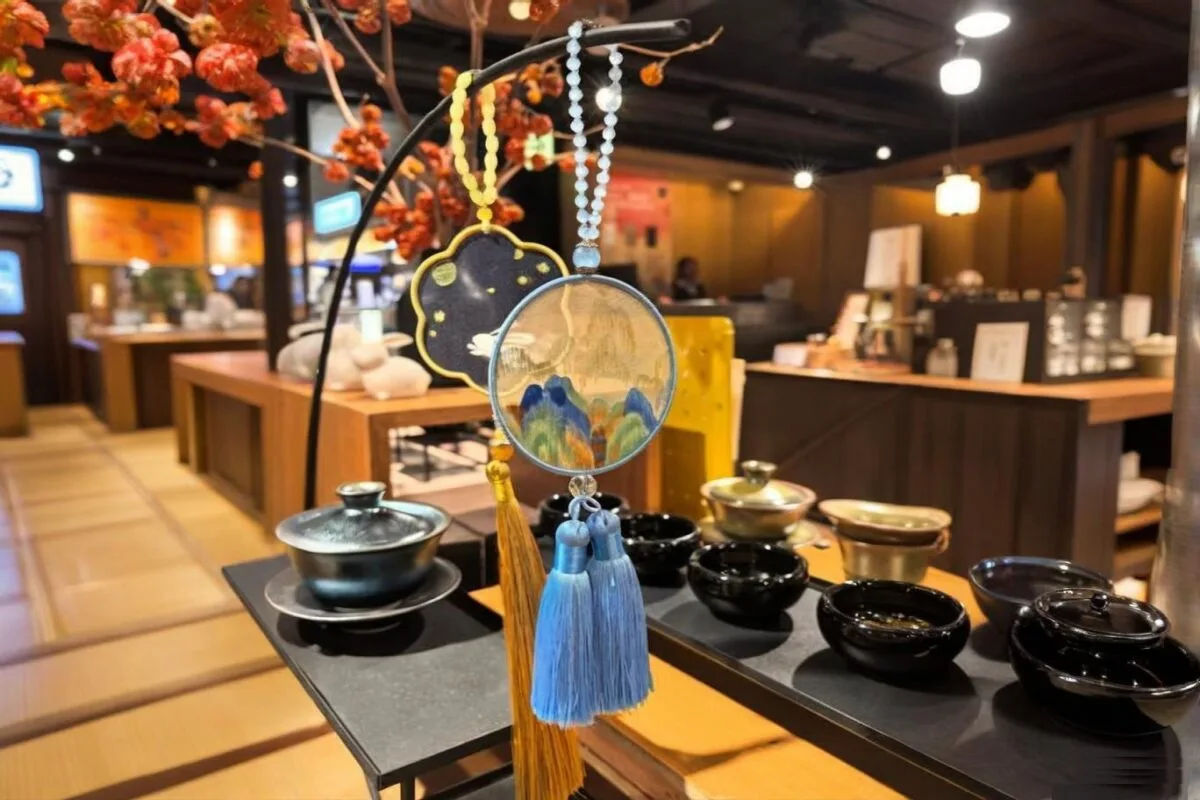
POP MART blind boxes, Forbidden City-themed fridge magnets (¥20-50), emperor and empress figurines, decorative tape, notebooks with classical Chinese motifs, this is what younger Chinese travelers buy, and international tourists have caught on.
POP MART (泡泡玛特) is China’s answer to Funko Pop, but weirder and better-designed. The LABUBU series has a cult following across Southeast Asia. Blind boxes cost ¥59-99. The flagship stores in Beijing and Shanghai are destinations in themselves.
Forbidden City cultural souvenirs sell from shops inside the Forbidden City and at the Gongmei Building (工美大厦) on Wangfujing Street. The phoenix crown fridge magnet (¥35) is the current bestseller. It looks good on a fridge. It also looks good next to the real phoenix crown you just saw in the Forbidden City’s Treasure Gallery.
The Classics, Done Right
Tea
Tea markets in China are a separate category from souvenir shops. A mall tea vendor sells generic tins for tourists. A tea market lets you sit, taste, compare, and buy from people who’ve been in the business for generations.
Beijing: Maliandao Tea Street (马连道茶城), a kilometer of tea wholesale shops. Try Zhang Yiyuan (张一元) or Wu Yutai (吴裕泰) for jasmine tea, the Beijing classic.
Hangzhou: Longjing Village or Meijiawu, buy Longjing green tea directly from the farmers who grow it.
Shanghai: Tianshan Tea City (天山茶城) near Zhongshan Park.
Buying tips: Taste before buying. A good tea seller expects this. Prices range from ¥30/100g for everyday tea to ¥500+/100g for premium spring harvest. For gifts, ¥100-200/100g buys excellent quality. Tell the seller your budget. They’ll work within it.
Tea sold in sealed foil bags stays fresh for 6-12 months. Loose tea in paper bags goes stale faster. If you’re buying serious tea, ask for vacuum-sealed packaging.
Silk
Suzhou makes China’s best silk. The Silk Museum and Silk Factory in Suzhou offer tours that end, inevitably, in a sales room. The quality is genuine. The prices are higher than market, you’re paying for the convenience and the English-speaking guide.
For better prices, go to a local market. For the best prices, be prepared to bargain in Chinese or with a calculator.
How to check if silk is real: Pull a thread and burn it. Real silk smells like burning hair and leaves a fine ash. Synthetics melt into a hard plastic bead. A less destructive test: real silk feels cool to the touch and warms up slowly. Synthetics warm up immediately.
A good silk scarf: ¥100-300. A quality silk robe: ¥300-800. A qipao dress: ¥500-2,000 depending on tailoring.
Porcelain
Jingdezhen (景德镇), a city in Jiangxi province, has produced China’s finest porcelain for over 1,700 years. The products range from ¥10 tea cups to ¥10,000 hand-painted vases.
If you’re not going to Jingdezhen, high-quality porcelain is available in big-city antique markets and department stores. The Gongmei Building in Beijing has a reliable selection. Prices are marked up but the authenticity is guaranteed, which matters more than getting the best deal when you can’t tell real from fake.
Custom Tailoring: The Shanghai Special
The South Bund Soft-Spinning Fabric Market (南外滩轻纺面料市场) houses 285 tailoring shops across three floors. This is where Shanghai expats, consulate staff, and in-the-know tourists get their clothes made.
The process: walk in, choose a shop, flip through fabric swatches and look books, get measured. Return 24-48 hours later for a fitting. Pick up the finished garment the next day.
Prices, roughly:
- Custom shirt: ¥150-300 ($21-42)
- Custom suit (two-piece): ¥800-2,000 ($112-280)
- Custom wool coat: ¥1,000-2,500 ($140-350)
- Qipao dress: ¥500-2,000 ($70-280)
Shop #371 is particularly famous among foreign consulate staff, the tailor speaks fluent English and has been dressing diplomats for 15 years.
Bargaining is expected. The first price they quote is roughly 40-50% above what they’ll accept. Counter at half and meet in the middle. Be friendly about it. The transaction is a social negotiation, not a confrontation.
Bring a reference photo. Showing a photo of what you want works better than describing it in any language. The tailor will tell you if the fabric and their skills can achieve it.
Time it right. Go on your first or second day in Shanghai. You need the turnaround time for fittings. Don’t show up 36 hours before your flight and expect a finished suit.
Where to Shop, City by City
Beijing
| What | Where | Why |
|---|---|---|
| Tea | Maliandao Tea Street (马连道) | Wholesale prices, sit-and-taste service |
| Cultural souvenirs | Forbidden City gift shops, Gongmei Building (工美大厦) | Authentic designs, fixed prices |
| DJI & electronics | Guomao (国贸) flagship stores | Tax refund on-site |
| Antiques | Panjiayuan Antique Market (潘家园) | Real and fake mixed together. Assume everything is a reproduction unless proven otherwise. |
| Pearls | Hongqiao Market (红桥市场) | Freshwater pearls at low prices. Bargain hard. |
Wangfujing (王府井) is the most famous shopping street. It’s also the most tourist-oriented. Prices are higher. The snack street is fun to walk down but the food is for tourists. Buy souvenirs at Gongmei Building. Skip the rest.
For more on navigating the city, our Beijing first-timer’s guide covers where to stay, eat, and what to see beyond the shopping streets.
Shanghai
| What | Where | Why |
|---|---|---|
| Custom tailoring | South Bund Fabric Market | 285 shops, 2-day turnaround |
| Boutiques | Xintiandi, Tianzifang | Independent designers, not cheap but unique |
| Electronics | Xujiahui (徐家汇) electronics malls | Better organized than Huaqiangbei |
| Tea | Tianshan Tea City | Wholesale market, tastings available |
Nanjing Road (南京路) is Shanghai’s Wangfujing, famous, crowded, tourist-priced. Walk it once for the spectacle. Buy elsewhere.
Shenzhen
Huaqiangbei (华强北). That’s the answer to every “where to buy gadgets” question. Plan at least half a day. The market is overwhelming. Pick one or two buildings to explore (SEG Electronics Market and Huaqiang Electronics World are good starting points).
The Huawei and DJI flagship stores in Shenzhen are also worth visiting. The Huawei store in Nanshan District is a multi-story temple of consumer tech with English-speaking staff and products that never ship outside China.
Hangzhou and Suzhou
Hangzhou: Longjing Village and Meijiawu for tea. The China National Tea Museum gift shop for packaged tea gifts.
Suzhou: Silk factories and the Suzhou Museum gift shop for silk products. Suzhou embroidery (苏绣), hand-stitched silk artwork, makes a genuinely special gift if your budget stretches to ¥500+.
Tax Refunds: Get Your 9% Back
China’s departure tax refund system applies to most physical goods. Here’s how it works:
-
Look for “Tax Free” signs. Stores displaying “离境退税” participate in the scheme. Not all stores do. Ask before you buy if it matters to you.
-
Spend at least ¥200 per receipt (down from ¥500 before 2025).
-
Request a tax refund form at the time of purchase. You’ll need your passport.
-
Present the form, receipts, and goods at the airport before departure. Customs may ask to see the items.
-
Receive your refund. The rate is approximately 9% (11% VAT minus a 2% processing fee). You can get cash (up to ¥20,000), credit to Alipay/WeChat Pay, or bank card credit.
“Buy now, refund now” is available in select shopping districts, Wangfujing and Guomao in Beijing, major shopping areas in Shanghai, Chengdu, and Guangzhou. You get the cash immediately via credit card pre-authorization. At the airport, customs verifies the goods and releases the hold.
What qualifies
Most consumer goods. What doesn’t: food, alcohol, tobacco, and anything consumed or opened before departure.
Bargaining: How It Works
Bargaining is expected in markets, not in malls or chain stores. The ¥129 Xiaomi fan in a Xiaomi store is ¥129. The ¥300 “silk” scarf a vendor quotes on the street is worth ¥80.
The method: Ask the price. Look thoughtful. Counter at 40-50%. The vendor will look hurt. They’ll counter at 70-80%. You meet somewhere in the middle. If stuck, start walking away. The walking-away move is the universal final offer trigger.
The attitude: Smile. Bargaining in China is friendly, not hostile. A vendor who likes you will give you a better price. A vendor who thinks you’re disrespecting them will stick to the high number. Basic Mandarin goes a long way, “Tài guì le” (太贵了, “too expensive”) delivered with a smile opens negotiations.
When not to bargain: Restaurants, chain stores, taxi meters, attraction tickets, tea at a proper tea house where you’ve done a tasting. Bargaining at these places ranges from rude to impossible.
What Not to Buy
Antiques without documentation. Anything genuinely old, more than 100 years, requires an export permit. Without it, customs can seize the item. Most “antiques” sold to tourists are reproductions. That’s fine if you pay reproduction prices. But ¥2,000 for a “Ming Dynasty” bowl that was made last month is not a bargain; it’s a scam.
Tea at tourist sites. The “Longjing tea” sold at West Lake souvenir stalls is usually low-grade tea from another province in a pretty tin. Buy tea at tea markets or from farmers.
“Jade” from street vendors. Real jade is expensive. The ¥50 “jade” bracelet is glass or treated stone.
Knockoff brands. Counterfeit goods are illegal to export from China and illegal to import into most countries. Customs at both ends look for them. The ¥200 “Rolex” is not worth the questions.
Payment
Alipay and WeChat Pay dominate. Both now accept foreign credit cards, link your Visa or Mastercard before the trip. For a step-by-step setup walkthrough, see our guide to mobile payments in China. For larger purchases at chain stores and malls, foreign cards work directly at the register.
Cash is still accepted but getting change for a ¥100 note at a market stall can be awkward. Keep smaller bills for markets.
Packing Strategy
Show up with an empty suitcase, or buy a cheap one in China. Many travelers do exactly this. A basic check-in suitcase costs ¥150-300 at any department store or market.
For fragile items (porcelain, electronics), vendors typically have bubble wrap and boxes. Ask for it.
Customs declarations: check your home country’s duty-free allowance before you go shopping. The DJI drone you saved ¥2,000 on stops feeling like a bargain if you pay ¥2,500 in import duties at the other end.
For general packing strategy beyond shopping, our China packing guide covers what to bring and what to leave space for.
Chinese shopping in 2026 is not about buying “oriental” trinkets. It’s about accessing products that cost less here, styles that don’t exist in Western stores, and the specific pleasure of walking out of a fabric market in a suit that was cut to your body three days ago for the price of a nice dinner.
Frequently asked questions
What is worth buying in China as a tourist?
The “New Three” dominate international shopping lists in 2026: DJI drones and action cameras (20-35% cheaper than abroad), Xiaomi and Huawei smart gadgets that never ship to Western markets, and cultural creative goods like POP MART blind boxes and Forbidden City-themed souvenirs. Classic purchases still hold up: tea from wholesale markets where you can sit and taste before buying, custom-tailored clothing from Shanghai’s fabric markets, and silk from Suzhou. Skip jade from street vendors, antiques without export permits, and counterfeit luxury goods, customs at both ends look for them, and the savings are not worth the questions.
How much cheaper are electronics in China?
DJI drones and action cameras cost 20-35% less in China than in North America or Europe. Add the 9% departure tax refund and you save $200-400 on a drone. Xiaomi gadgets, portable fans, electric screwdrivers, smart home devices, run 40-60% below equivalent Amazon prices. The Xiaomi portable electric screwdriver at ¥129 (about $18) is the single most popular non-obvious souvenir among returning travelers. Huawei flagship products and accessories that never reach Western markets are available at official stores. DJI flagship stores in Beijing, Shanghai, Shenzhen, and Chengdu have English-speaking staff. For deep bargain hunting, Huaqiangbei in Shenzhen is the motherlode: 1.45 square kilometers, 40-plus wholesale electronics markets, roughly 110,000 vendors. Test everything before you buy.
How does the departure tax refund work in China?
Look for stores displaying the “离境退税” (Tax Free) sign. Spend at least ¥200 per receipt (lowered from ¥500 in 2025), request a tax refund form and show your passport at purchase, then present the form, receipts, and goods at the airport before departure. Customs may ask to see the items, so keep them in your carry-on. The refund rate is roughly 9% (11% VAT minus a 2% processing fee). You can receive cash up to ¥20,000, credit to Alipay or WeChat Pay, or a bank card credit. Some major shopping districts in Beijing, Shanghai, Chengdu, and Guangzhou offer “buy now, refund now” service, you get cash immediately via credit card pre-authorization, and customs releases the hold when you leave.
Is bargaining expected in Chinese markets?
Yes, in markets, not in malls or chain stores. The ¥129 Xiaomi fan at an official Xiaomi store is ¥129, period. But the ¥300 silk scarf a street vendor quotes is worth about ¥80. The method: ask the price, counter at 40-50%, the vendor will look hurt and counter at 70-80%, and you meet in the middle. If stuck, start walking away, the walking-away move is the universal final-offer trigger. The attitude matters more than the technique: smile, be friendly, and treat it as a social negotiation rather than a confrontation. Basic Mandarin helps, “tai gui le” (太贵了, too expensive) delivered with a smile moves negotiations faster than any calculator haggling.
Where should I go shopping in Shanghai and Beijing?
In Shanghai, the South Bund Fabric Market houses 285 tailoring shops across three floors, custom suits, shirts, and qipaos with 2-day turnaround. For independent designer boutiques, Xintiandi and Tianzifang are the neighborhoods. Skip Nanjing Road for buying, walk it for the spectacle but shop elsewhere. In Beijing, Maliandao Tea Street offers wholesale prices with sit-and-taste service from vendors who have been in the business for generations. The Gongmei Building on Wangfujing has authentic cultural souvenirs at fair fixed prices. For electronics, go to official brand stores in Guomao, not street vendors. Panjiayuan Antique Market is worth browsing but assume everything is a reproduction unless you are an expert.
How do I pay for shopping in China as a foreigner?
Alipay and WeChat Pay dominate, both now accept foreign Visa and Mastercard. Set up and link your card before your trip. For larger purchases at chain stores and malls, foreign cards sometimes work directly at the register, but do not count on it. Cash is still accepted everywhere, though getting change for a ¥100 note at a market stall can be awkward, keep ¥5, ¥10, and ¥20 notes for markets. If you are planning a serious shopping trip, show up with an empty suitcase or buy a cheap one in China for ¥150-300. For mobile payment setup walkthroughs and packing logistics, our payment guide and packing guide cover everything step by step.