Chinese Wellness: Hot Water, Baduanjin and Foot Soaks

A lot of what gets filed under Chinese wellness is just ordinary good sense with a different name. Walk every morning. Drink water. Sleep enough. Sit down and talk to people instead of eating at your desk.
That is not a criticism. The habits are worth copying precisely because they are ordinary, cheap, and easy to slot into a trip. This guide covers what each one is, where to actually do it in China, what it costs, and where the evidence stops.
For the broader picture of how these habits became a travel trend, see the trends page and the guide to living like a local.
Hot water is a custom, not a cure
Every restaurant brings it without asking. Hotel rooms have a kettle. Train stations have hot water dispensers at the end of every carriage, and people fill instant noodle cups and thermoses from them all day.
The health claims attached to it in the West are not supported. There is no good evidence that water temperature changes digestion, circulation, or anything else in a meaningful way. What is true is that boiled water is safe water, and a country that spent decades boiling water kept the habit after it became unnecessary.
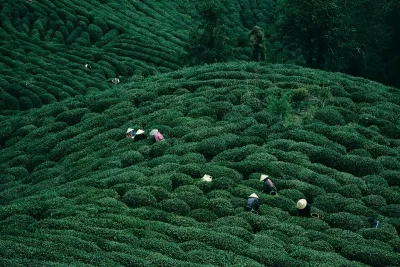
The reason to adopt it is not health. It is that ordering hot water gives you a reason to sit in a teahouse for an hour with a refillable cup while nobody hurries you. In Chengdu that costs about ¥40 and it is one of the better hours you can spend in the country. Our tea guide covers the regions worth travelling for if you want to go past the cup.
Baduanjin, and how to join a park group
Baduanjin is eight slow standing movements, and it is the easiest entry point into Chinese morning exercise. It predates tai chi, involves no floor work, and does not require flexibility or a partner. The full set takes about twelve minutes.
You do not need to learn it before you go. Find the group, stand at the back, and copy. Nobody will approach you or ask what you are doing, and nobody will charge you. The groups form in city parks and on paved squares between 6:30 and 7:30am, follow a speaker playing music, and disperse by 8:30.
What you are actually getting is a low-intensity mobility session in daylight with other people, which is a well-evidenced way to start a day. The specific movements matter less than the fact of doing it regularly.

Foot massage and tui na: what actually happens
This is the one to prioritise if you only try one thing.
A standard foot massage runs ¥80 to ¥200 for an hour, cheaper in Chengdu, more in Shanghai. You sit in a reclining chair, your feet go in a bucket of hot water, and the first fifteen minutes are usually shoulder and neck work. The rest is foot and lower leg. It is firmer than a Western spa massage, and the person doing it will find knots you did not know existed.
Tui na is the body-work version, done on a table or a mat, and it is closer to sports massage than to relaxation. It is good for a stiff back after a long flight. Expect ¥150 to ¥300 for an hour.
How to pick a place. Chains are reliable and take walk-ins. Look for prices displayed at the entrance and customers who look like locals. A shop with a person outside waving you in and an English menu is usually charging twice for the same thing. If the pressure is too much, say so. Learn the two words for lighter and heavier and you have the whole vocabulary you need.
Teahouses, and the habit of sitting still
The most underrated wellness practice in China is sitting in a teahouse for two hours with one cup of tea.
This is normal behaviour, not a treat. Sichuan teahouses are full on weekday afternoons with people reading, playing cards, getting their ears cleaned, and dozing. Nobody moves you along. A cup costs ¥20 to ¥60 and refills are free.
The health benefit is arguable. The benefit of doing nothing for two hours in a pleasant room is not, and it is the part of the daily rhythm that visitors find hardest to copy at home.
The herbal pharmacy
Chinese pharmacies are worth a visit even if you buy nothing. The wall of small drawers, the jars of dried roots and flowers, the smell of it.
What is worth buying: menthol balms and cooling oils for insect bites and headaches, which are cheap and genuinely work. Ginger and jujube tea blends. Anything for a cold that you would recognise from home.
What to be careful with. Some patent medicines interact with prescription drugs, and heavy-metal contamination has been documented in a small number of products. Buy from a licensed pharmacy rather than a street stall, show the pharmacist your medication list, and skip anything marketed for weight loss. If you want a real medical opinion rather than a remedy, that is a different subject and our medical tourism guide covers what checkups actually cost.
What has evidence and what does not
Being straight about this matters more than selling the trend.
Holds up. Walking daily. Drinking enough water. Sleeping enough. Eating vegetables, which a trip to the market will supply. Sitting still and talking to people instead of scrolling. Low-intensity mobility work in daylight. All of these have solid evidence behind them, and they are what most of these habits amount to when you strip the packaging.
Does not hold up. Water temperature changing your health. Meridian lines. Detoxification as a concept. Cupping and scraping as treatments for anything beyond temporary soreness. None of this has good evidence, and some of it is uncomfortable enough that it is not worth trying for the experience alone.
The honest summary is that Chinese daily routine is a good routine with a layer of unfounded theory on top. Take the routine.
Trying it in a week
Day one. Find the nearest park at 7am and walk. Do not join anything yet, just watch how the groups work.
Day two. Join the group at the back. Copy what you can. Leave when they do.
Day three. Find a foot massage place near your hotel and go in the early evening before the 8pm rush.
Day four. Spend two hours in a teahouse with one cup. Bring a book. Do not check your phone.
Day five. Buy breakfast from a street stall instead of the hotel. Congee and a steamed bun, about ¥8.
Days six and seven. Repeat whichever one you liked. That is the entire method, and by the end of it you will have the routine rather than a list of things you tried.

Frequently asked questions
What is baduanjin and can a beginner do it?
It is a set of eight slow standing movements, older than tai chi and considerably easier to learn. The whole sequence takes about twelve minutes and involves no floor work, no flexibility requirement, and no partner. You can follow along from the back of a park group on your first morning. There is no fee and no registration.
How much does a foot massage cost in China?
Between ¥80 and ¥200 for a standard hour, depending on the city. Chengdu is at the low end, Shanghai at the high end. Chains are cheaper and easier to walk into. The price usually includes a shoulder and neck segment before the foot work. Tipping is not expected.
Is Chinese herbal medicine safe to try?
For common preparations from a pharmacy, yes, with two exceptions worth knowing. Some patent medicines contain ingredients that interact with prescription drugs, and heavy-metal contamination has been documented in a small number of products. Buy from a licensed pharmacy rather than a street stall, show the pharmacist your medication list, and avoid anything marketed for weight loss.
Do I need an appointment for a massage or foot soak?
No. Most places take walk-ins, including the chains. You may wait fifteen minutes at peak times, which is roughly 8pm to 10pm. Independent shops in smaller cities are quieter and often better value. Booking is only worth it at hotel spas, where you are paying for the setting rather than the treatment.
Where do the morning exercise groups meet?
In city parks, on paved squares, and along riverside walkways. They start between 6:30 and 7:30am and finish by 8:30. The largest groups are near the Temple of Heaven and the Shichahai lakes in Beijing, People’s Park in Chengdu, and the Bund riverside in Shanghai. Just walk toward the music.
Is any of this actually backed by evidence?
Some of it. Regular moderate exercise, drinking enough water, and getting enough sleep all have solid evidence behind them, and those are what most of these habits amount to in practice. Specific claims about water temperature, meridian lines, or detoxification do not. Treat the habits as pleasant routines rather than treatments.