Is China Safe? What Tourists Should Actually Worry About
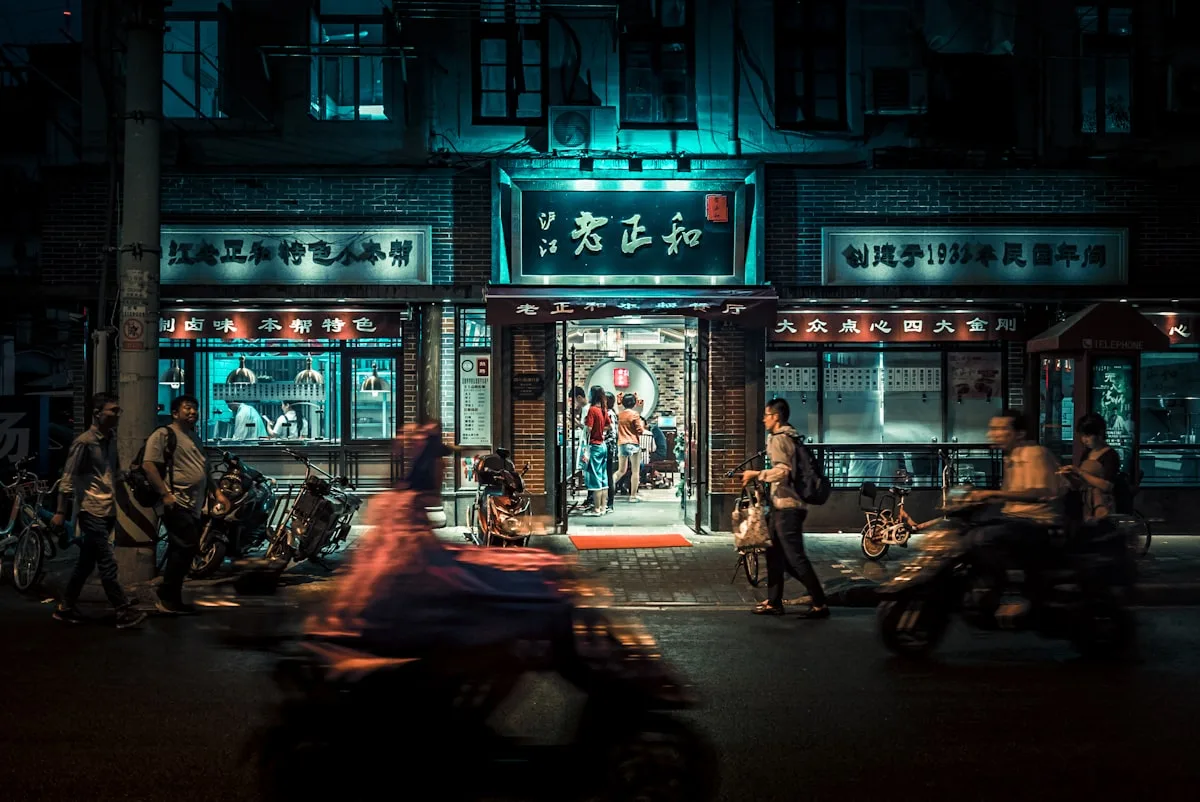
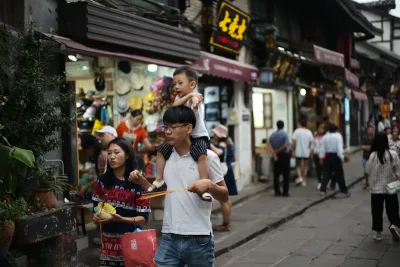
Here is the short answer: China is one of the safest countries you will ever visit. Violent street crime against tourists is rare to the point of being statistically invisible. Walking alone at midnight in central Beijing, Shanghai, or Chengdu feels safer than doing the same thing in most European or American cities.
The longer answer: the risks that do exist are different from what you are used to at home. They are mostly financial, not physical. Scams, overcharging, and misunderstandings with authorities. If you know what to look for, you can avoid almost all of them.
The data
China’s homicide rate is approximately 0.5 per 100,000 people. The United States is around 6.4. The UK is 1.2. These numbers are not close. Pickpocketing in crowded tourist areas happens, but muggings, bag snatching, and assault are unusual enough that they make local news when they occur.
The Chinese government invests heavily in visible security. Surveillance cameras cover most urban public spaces. Police stations are numerous and officers are generally helpful to international tourists who approach them, even with a language barrier. Subway stations have bag scanners at every entrance. Hotel lobbies have metal detectors in some cities.
None of this is there for tourists. It is domestic policy. But the side effect is a level of public safety that surprises most first-time visitors.
The real risks: scams, not violence
The person most likely to take your money in China is not a mugger. It is someone who offered to show you a tea house.
The tea ceremony scam
Two young people, often students, approach you in a tourist area. Their English is good. They want to practice conversation, they say, or show you a local cultural experience. They lead you to a tea house nearby. You sit down. Tea is served. The bill arrives and it is ¥2,000-¥5,000 for a pot of tea that costs ¥50 anywhere else.
The tea house staff will not let you leave without paying. The police will not help you because, legally, you ordered the tea. This scam runs in Beijing, Shanghai, and Xi’an, particularly near the Forbidden City, the Bund, and the Terracotta Warriors museum.
How to avoid it: if a stranger in a tourist zone wants to take you somewhere, say no. Politely but firmly. They are professionals. They will try to make saying no feel rude. It is not.

The fake monk
A person in robes approaches you, presses a bracelet or a small Buddha statue into your hand, and asks for a donation. When you hand over ¥20, they point at a donation book showing previous contributions of ¥200, ¥500, and ¥1,000, and shake their head. You are now in an awkward negotiation with a fake monk in front of a crowd.
Real Buddhist monks in China do not sell bracelets on the street. They do not approach tourists for donations.
The taxi meter that broke
The driver says the meter is broken and names a flat price that is three to five times the normal fare. Alternatively, the meter is running but the driver takes a route that adds 15 kilometers to a five-kilometer trip.
Use ride-hailing apps (Didi is the main one, accessible through Alipay) instead of hailing taxis from the street. The app locks the route and price before you get in. If you must take a street taxi, have your destination written in Chinese characters and confirm the driver is using the meter before the car moves.
The art student with a gallery
A slight variation on the tea house. Someone claims to be an art student with a show at a nearby gallery. The gallery turns out to be a hard-sell operation for overpriced paintings or calligraphy. Same rule applies: if a stranger has a destination in mind, you do not want to go there.
The friendly person who switches your money
You pay for something small with a ¥100 note. The cashier takes it, then hands it back and says it is fake. The bill they hand back is not the one you gave them. They swapped your real ¥100 for a counterfeit, and now they want a different payment method while keeping the change from the fake transaction.
This one is less common now that cash use has cratered in China. Yet another reason to use Alipay or WeChat Pay for everything.
The police and security presence
China has a visible security apparatus: police booths on street corners, bag scanners at subway entrances, identity checks at train stations, occasional passport checks at hotels. This can feel intimidating if you come from a country where you rarely interact with law enforcement.
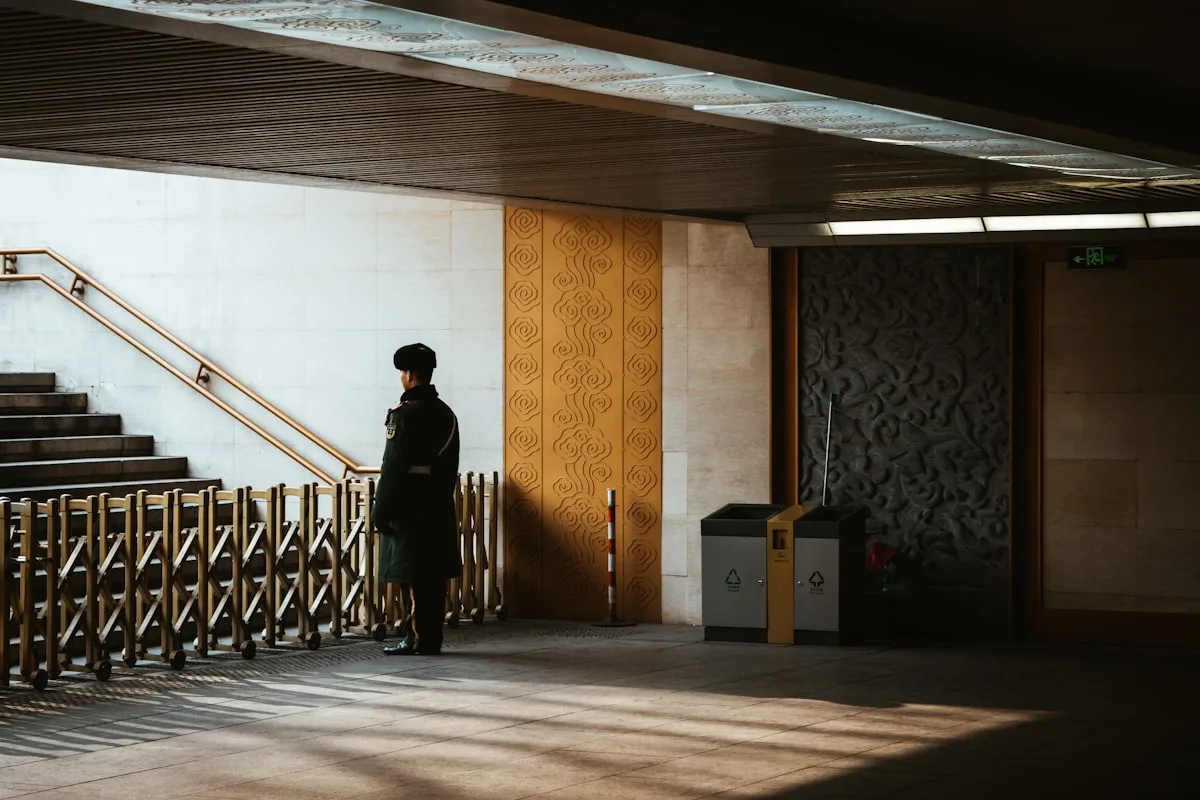
For tourists, these encounters are almost always routine. At subway bag scanners, put your bag on the belt and walk through. Nobody will stop you unless you are carrying something obviously prohibited. At train stations, show your passport at the ticket check. Hotel staff will photograph your passport and register you with the local police station. This is standard and required by law. Every hotel in China does it. It is not a red flag.
If a police officer stops you on the street, which is unusual but happens more often in cities with large international populations like Shanghai or Guangzhou, stay calm. Show your passport if asked. The interaction will end once they verify you are a tourist. Do not film the police. That escalates things quickly and is one of the few ways to turn a routine check into a real problem.
Photography: what not to shoot
You can photograph almost anything in China. Temples, street markets, skylines, food, people (with a gesture of consent), trains, stations, mountains. The exceptions are specific:
- Military bases and vehicles
- Government buildings with guards at the entrance
- Police stations and police officers during operations
- Border crossings and checkpoints
- Airports (inside security zones)
If a location has uniformed personnel, do not point a camera at it. If a guard waves at you to stop, stop. Do not argue. Delete the photo if asked.
The risk is not jail. It is a long conversation in a room you do not want to be in, followed by losing the photo anyway. Not worth it.
Political sensitivity
This is the section where most safety guides get vague. Here is the concrete version.
Do not publicly criticize the Chinese government, the Communist Party, or individual leaders. Do not participate in protests or political gatherings. Do not carry or distribute materials deemed politically sensitive, including books, pamphlets, or digital files on your phone. Do not discuss Tibet, Xinjiang, Taiwan, or Hong Kong politics with strangers. Do not post about these topics on Chinese social media.
These are not cultural tips. They are legal boundaries. Consequences range from deportation to detention. The likelihood of a tourist stumbling into trouble is low if you are not seeking it out. But the margin for error is narrow, and “I did not know” is not a defense that works well across language and legal barriers.
A practical note: Chinese border officials can and sometimes do check the contents of phones and laptops at entry points. If you have materials on your devices that could be interpreted as politically hostile, store them in the cloud before you fly and delete local copies.
Emergency numbers
| Number | Service |
|---|---|
| 110 | Police |
| 120 | Ambulance |
| 119 | Fire |
No single non-emergency number covers everything. Operators at 110 and 120 may not speak English. The most reliable option in a real emergency is to find a local person, show them the number, and have them make the call for you.
Your country’s embassy or consulate is a better first call for passport loss, arrest, or medical evacuation. Save the emergency contact number for your nearest consulate before departure. The US embassy in Beijing can be reached at +86-10-8531-4000. UK consular assistance is +86-10-8529-6600. Find your country’s number and write it down. Do not rely on being able to search for it when you need it.
Health and food safety
Food in China is generally safe, but your stomach is not prepared for the local bacteria. Expect some digestive adjustment in the first three to five days. Pack loperamide and oral rehydration salts. Tap water is not drinkable anywhere in China. Bottled water is cheap and available everywhere. Hotels provide bottled water or boiled water dispensers.
Air quality varies dramatically by city and season. Beijing and northern cities can hit hazardous levels in winter. Shanghai and southern cities are better but not immune. Download an air quality app and check it before planning outdoor-heavy days. N95 masks are sold at every pharmacy.
Traffic is probably the most under-discussed safety risk. Crosswalks are decorative in many cities. Cars, e-bikes, and scooters do not reliably stop for pedestrians, even when the light is green. Look both ways, twice. E-bikes are silent and fast. They will appear from behind you on sidewalks without warning.
Some travelers are now combining their trips with elective medical and dental care. The price gaps on procedures like implants, eye exams, and full checkups are large enough that the savings can cover a round-trip flight. For an honest look at how this works and what to watch for, see our medical tourism guide.
What you do not need to worry about
Let me end with what you can stop thinking about. Violent crime. Walking alone at night. Being followed. Having your bag torn off your shoulder. Getting robbed at knifepoint. Hotel room break-ins. These things dominate safety advice for many destinations, and they are almost entirely absent from the China travel experience.
The Chinese internet is full of surveillance and censorship, which bothers people on principle, but the physical streets those same policies produce are genuinely safe. The scams that exist are annoying, not dangerous. They cost you money and pride, not your safety.
Treat China like any unfamiliar place: be aware of your surroundings, keep your phone charged, know where your passport is, and do not follow strangers to secondary locations. If you do those four things, your odds of having a problem are vanishingly small.
For female-specific safety concerns, read our solo female travel guide. If you are preparing for your first trip, the packing guide covers everything else you need. Part of our collection of first-timer guides.
Frequently asked questions
Is China really safe for solo travelers?
Yes. China’s homicide rate is approximately 0.5 per 100,000 — among the lowest in the world. Violent street crime against tourists is statistically rare. Walking alone at night in Beijing, Shanghai, or Chengdu feels safer than in most European or American cities. The risks that exist are mostly financial — scams and overcharging — not physical.
What are the most common scams targeting tourists in China?
The tea ceremony scam is the most widespread: friendly strangers invite you to a tea house, and the bill comes to ¥2,000–5,000. Other common ones include fake monks demanding donations, taxi drivers claiming broken meters, art-student gallery invitations, and cash-switching at small shops. The rule: if a stranger in a tourist zone wants to take you somewhere, politely decline.
Can I drink tap water in China?
No. Tap water is not drinkable anywhere in China. Bottled water is cheap and sold at every convenience store and supermarket. Hotels provide bottled water or boiled-water dispensers. Carry a bottle with you and expect some digestive adjustment in your first 3–5 days — pack loperamide and oral rehydration salts.
What should I do if a police officer stops me in China?
Stay calm and show your passport if asked. The interaction will likely end once they verify you are a tourist. Do not film the police — this escalates a routine check into a real problem. Encounters with law enforcement are almost always routine for tourists: bag scanners at subway entrances, passport checks at train stations, and hotel registration are all standard procedure.
Is street food safe to eat in China?
Generally yes, but your stomach is not accustomed to the local bacteria. Expect digestive adjustment in the first few days. Choose stalls with high turnover and visible cooking — food cooked fresh at high heat is safer than food sitting out. Avoid raw items and unpeeled fruit from street vendors. Pack loperamide just in case.
What emergency numbers should I know in China?
Police: 110. Ambulance: 120. Fire: 119. Operators may not speak English, so the most reliable approach in a real emergency is to find a local person and have them make the call for you. Also save your country’s embassy or consulate number before departure — the US embassy in Beijing is +86-10-8531-4000, and UK consular assistance is +86-10-8529-6600.