China Travel Guide for First-Timers: What I Wish I Knew

I made every mistake you can make on a first trip to China. I arrived without Alipay set up. I assumed someone would speak English at the train station. I packed the wrong clothes for the wrong season. I wasted hours on problems that had five-minute fixes.
This is the guide I wish I had read before that trip. It covers the seven things that actually matter: visas, payments, internet, timing, where to go, how to get around, and what will surprise you. Each section gives you the takeaway, the reason, and a link to the full guide. Do not read this and stop. Read this, then follow the links to the details you need.
Do you need a visa?
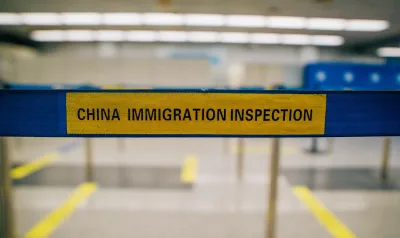
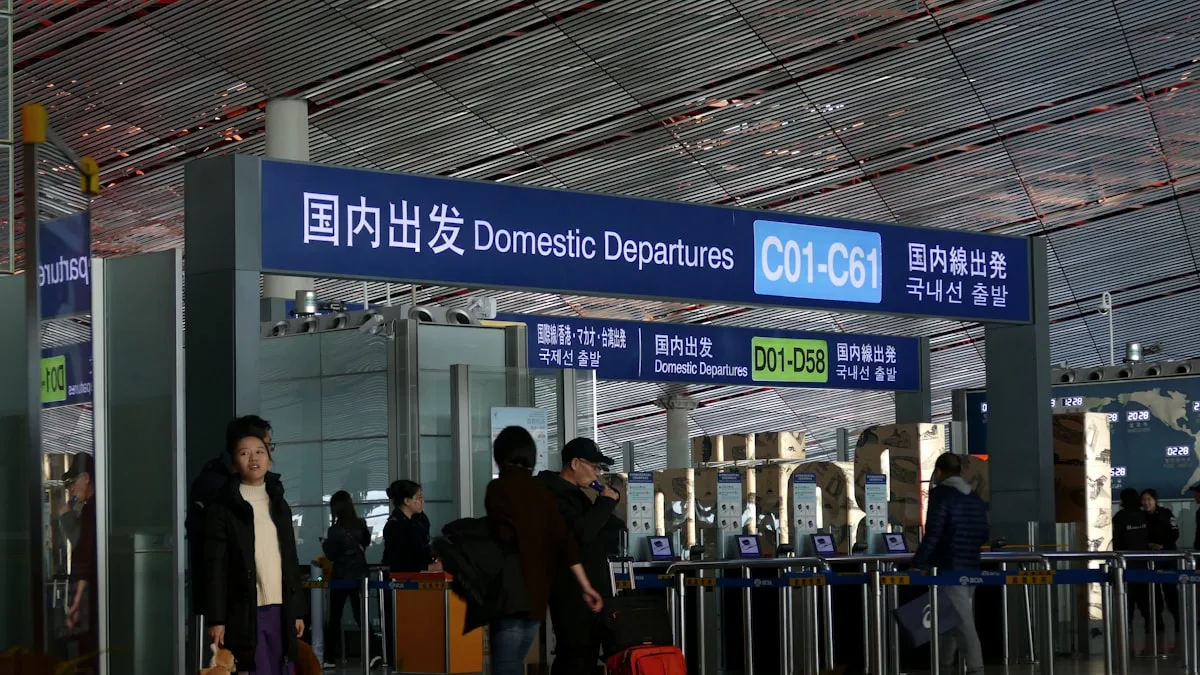
Probably not. China currently lets citizens of 50 countries enter without a visa for up to 30 days. If your country is not on that list, you might qualify for 240-hour (10-day) transit visa-free access. Only if neither applies do you need a tourist L visa.
30-day unilateral visa-free (50 countries, through December 31, 2026):
| Region | Countries |
|---|---|
| Europe (35) | UK, Ireland, France, Germany, Italy, Spain, Portugal, Netherlands, Belgium, Austria, Switzerland, Sweden, Norway, Denmark, Finland, Iceland, Russia, Poland, Czech, Slovakia, Hungary, Greece, Romania, Bulgaria, Croatia, Slovenia, Estonia, Latvia, Lithuania, Luxembourg, Malta, Cyprus, Monaco, Liechtenstein, Andorra |
| Asia (7) | Japan, South Korea, Brunei, Bahrain, Kuwait, Oman, Saudi Arabia |
| Americas (6) | Canada, Argentina, Brazil, Chile, Peru, Uruguay |
| Oceania (2) | Australia, New Zealand |
Enter through any port. Stay up to 30 days. No application, no fee. Just show up with a passport valid for 6+ months.
240-hour transit visa-free (55 countries): This covers everyone above plus the United States, Mexico, UAE, Qatar, Belarus, Serbia, Ukraine, Albania, and Indonesia. The catch: you must arrive from country A, enter China, and leave to country C (not back to A). Hong Kong, Macau, and Taiwan count as separate regions for this purpose. You get 10 days and can move across 24 provinces.
If your passport is not from one of these countries, you need a tourist L visa from your local Chinese embassy or visa center. Processing takes 4-10 business days. Apply at least 3 weeks before departure.
(Full country lists, port lists, and step-by-step L visa instructions: China visa-free entry guide.)
Set up payments before you leave
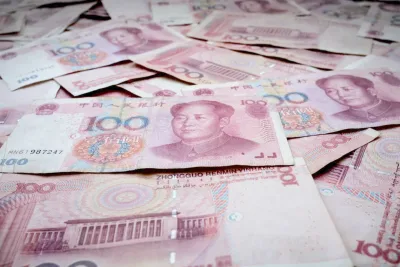
This is the single most important thing to do before your flight. If you arrive without a working payment method, you cannot pay for anything. Most places in Chinese cities do not accept cash. Many do not accept foreign credit cards tapped at a terminal. The economy runs on QR codes.
The fix takes 15 minutes at home and saves hours of frustration:
- Download Alipay on your phone.
- Register with your passport and home phone number.
- Add your foreign Visa or Mastercard.
- Verify your identity (the app will prompt you).
Do this at home, on your home WiFi, with your home SIM card in the phone. Do not wait until you land. Alipay’s identity verification is stricter when it detects a new device on a foreign network, and getting it unlocked from inside China without a Chinese phone number is slow.
Link a second card as backup. Sometimes foreign card transactions fail for no obvious reason. A second card from a different bank usually solves it.
WeChat Pay is the backup option. Same setup process. Install both. If one goes down, you have the other.
Carry ¥200-500 in cash, withdrawn from an ATM at the airport after you land. Almost nobody will ask for it, but if your phone dies or Alipay’s servers have a bad five minutes, cash still works. Break a ¥100 bill at a convenience store early. Small vendors will not have change.
(Full walkthrough: China mobile payment guide.)
Internet: do not figure this out after you land
China blocks Google, Facebook, Instagram, WhatsApp, X, YouTube, Gmail, and Google Maps at the network level. You need a way through the firewall before you arrive — you cannot Google “how to fix VPN in China” from inside China.
The core principle: data that passes through a Chinese carrier’s local network is blocked. Data that passes through a foreign carrier’s roaming network is not. This is why an international eSIM works without a VPN — your traffic exits through Hong Kong or Singapore, and the firewall never touches it.
eSIM (best for most travelers). Buy an eSIM from Nomad, Trip.com, or MobiMatter. Install it at home on your own WiFi, then turn it off. When you land, turn it on — Google, WhatsApp, Instagram, and YouTube work immediately. No VPN required. Data-only — no Chinese phone number. For most 1–4 week trips, this is all you need. Read the full comparison table.
Local SIM + VPN (cheapest, needs more work). Buy a physical Chinese SIM at the airport (¥100–150, bring your passport). Install a VPN (Astrill, ExpressVPN, or Surfshark) on your phone before you leave home. Connect through the VPN after you land. Gives you a Chinese phone number plus the cheapest data. The VPN will occasionally slow down or need a server switch.
Hotel WiFi always requires a VPN regardless of which setup you use. Hotel networks use a Chinese IP — the firewall applies. Keep a VPN installed as backup even if you use an eSIM.
(Full comparison and step-by-step setup: China digital survival guide.)
If you are planning to work remotely from China for weeks or months — visas, coworking spaces, cost of living, and the reality of the Great Firewall on a daily basis — read our digital nomad guide to China.
How much does this trip cost?
A comfortable mid-range trip in China costs less than an equivalent trip in Europe or North America, but more than Southeast Asia.
Per person, per day:
- Hostel and street food: ¥200-400 ($28-55)
- Mid-range hotel and restaurants: ¥500-900 ($70-125)
- Nice hotel and good dinners: ¥1,000+ ($140+)
A two-week mid-range trip including international flights: $2,000-3,500 per person. The three big variables are flights (which you cannot control much), hotels (which you can, see the accommodation section), and domestic transport (trains are cheap, flights are not).
China is not the budget destination it was 15 years ago. Hotels in Beijing and Shanghai cost roughly what they cost in Berlin or Chicago. Food is still cheaper. A good dinner that would be $40 in the US is $15-20 in China. Street food is $2-5 per meal and better than most restaurants at that price point anywhere on earth.
(Breakdown by travel style and city: China budget guide.)
Some travelers take this further: dental implants, eye exams, and full physicals cost a fraction of Western prices, and international hospital departments in major cities are set up for English-speaking patients. For how it works, what it costs, and what to watch for, read our medical tourism guide.
What to pack (and what to skip)
The short list of things you will actually need, minus the things every packing list tells you to bring:
Bring these:
- A power bank. Your phone is your wallet, map, translator, and camera. It dying is not an inconvenience. It is an emergency. 20,000 mAh minimum.
- Tissues. Public bathrooms rarely provide toilet paper. A small pack in your day bag solves this.
- Hand sanitizer. Same reason.
- Comfortable walking shoes. You will walk more than you expect. Chinese cities are walking cities.
- A photocopy of your passport photo page. Keep it separate from your passport.
Skip these:
- A money belt. Pickpocketing is rare. You are more likely to drop your wallet than have it taken.
- An elaborate first-aid kit. Pharmacies are everywhere. Bring prescription meds and ibuprofen. Buy the rest if you need it.
- A physical guidebook. It is out of date before it is printed. Your phone is more useful.
- Formal clothes. Almost no restaurant in China requires a jacket. Pack for comfort.
(The complete list with seasonal specifics: China packing guide.)
When to go
The best months are April, May, September, and October. Temperatures are comfortable in most of the country. Skies are clearer in the north. Tourist sites are busy but not overwhelmed.
The months to avoid:
- Chinese New Year (late January or February). The entire country travels at once. Trains sell out. Hotels triple in price. Attractions close. It is the world’s largest annual human migration and you do not want to be in it on your first trip.
- Golden Week (October 1-7). Similar chaos, shorter duration. Domestic tourism peaks. Every scenic spot is packed.
- July and August. Hot, humid, and crowded with domestic summer travelers. If you can only travel in summer, go. Just bring the right expectations and the right clothes.
June is workable. The heat has not fully arrived in the north. Southern China is already warm and wet. This is a shoulder month: fewer crowds, better prices, weather that is fine if not ideal.
December through February: northern China is cold (Beijing averages -5°C). Southern cities like Guilin and Guangzhou stay mild. If you want to see Harbin’s Ice Festival, January is the time. If you want to sit at outdoor restaurants in Yunnan, winter is great.
(Month-by-month breakdown: China holiday calendar survival guide. Summer-specific advice: China summer 2026 guide.)
Where to go
China is roughly the size of Europe. You cannot see it in one trip. The question is not “what should I see?” but “what kind of trip do I want?”
The classic first-timer route: Beijing → Xi’an → Shanghai
Fly into Beijing. Spend 3-4 days: Forbidden City, Great Wall (Mutianyu section is less crowded than Badaling), Summer Palace, hutongs, roast duck. Take a high-speed train to Xi’an (4.5 hours). Spend 2-3 days: Terracotta Warriors, city wall, Muslim Quarter, a day trip to Huashan if you like steep hikes. Train to Shanghai (6 hours). Spend 2-3 days: the Bund, French Concession, some of the best food in China, and a city that feels like the future happened early.
This route works because it moves west to east, lets you adjust to China gradually (Beijing is intense, Shanghai is easier), and hits the three sites every first-timer should see: the Great Wall, the Terracotta Warriors, and the Shanghai skyline.
(Deep dives: Beijing first-timer guide, Xi’an first-timer guide, Shanghai arrival guide.)
If you have extra days in Beijing, our Beijing day trips guide covers what is worth the drive and what is not — Mutianyu, Gubei Water Town, Chengde, and more.
For Beijing beyond the landmarks — tea houses, Peking opera, temple fairs, and the 798 art district — see our Beijing culture guide.
Nature and spice: Chengdu → Chongqing → Guilin
Fly into Chengdu. Pandas in the morning, hot pot in the evening. The Jinli old street is touristy and fun anyway. Day trip to Leshan Giant Buddha. Train to Chongqing (1.5 hours): a cyberpunk city built on mountains where your GPS gives up. Hot pot here is spicier than Chengdu. The Hongyadong lights at night look like a Studio Ghibli set. Fly to Guilin: the Li River and Yangshuo karst landscape is the China you saw in National Geographic.
This route is for people who care more about food and landscape than history. It is also warmer and cheaper than the Beijing-Shanghai corridor.
(Deep dives: Chengdu first-timer guide, Chongqing first-timer guide, Guilin and Yangshuo guide. Not sure which Sichuan city fits your style? Read our Chengdu vs Chongqing comparison.)
Advanced: Yunnan, Xinjiang, Tibet
If you have been to China before, or if you have 3+ weeks and want something less scripted:
- Yunnan: Dali, Lijiang, Shangri-La. Old towns, Tibetan culture, mountains, and the best weather in China. Golden route guide.
- Xinjiang: deserts, grasslands, Uyghur food, alpine lakes. Feels like Central Asia because it is. Xinjiang guide.
- Tibet: the Ngari Grand Circuit is the most spectacular road trip on earth. It requires separate permits and a tolerance for altitude. Tibet travel guide.
Tech, robots, and EVs
If temples and old towns are not your thing, China has a new travel category that barely exists anywhere else. Tour the Xiaomi EV assembly line in Beijing where a car rolls off the line every 76 seconds. Ride in a driverless taxi through Wuhan. Visit a humanoid robot showroom in Shenzhen. Start with the EV factory tourism guide for booking details, then the full tech tourism guide for robots, AI labs, and space launches.
Getting around
High-speed trains
China’s high-speed rail network is the best in the world. Trains depart and arrive to the second. Seats are comfortable. Stations are airport-sized and airport-organized: security screening, waiting halls, orderly boarding gates. Book on Trip.com or the official 12306 app. Book 1-2 weeks ahead for popular routes. Tickets release 15 days before departure.
For distances under 1,200 km (Beijing to Shanghai is 1,300 km), the train beats flying. You skip airport security lines, your seat has more legroom than economy, and the station is usually in the city center rather than an hour outside it.
(Everything from ticket classes to station navigation: high-speed rail guide.)
Subways
Every major Chinese city has a clean, cheap, English-signed subway system. Fares are ¥2-8 per ride. You pay with the transport QR code inside Alipay. No ticket machine needed. Google Maps does not work well in China for transit directions. Use Apple Maps (which pulls local data) or Amap (Gaode) if you can read a little Chinese.
(Detailed how-to: subway guide.)
Didi
Didi is China’s Uber and it is built into Alipay. Open Alipay, tap the Didi icon, set your destination. The price is fixed before you accept. No Chinese required. No cash. No haggling. A 30-minute ride across a major city costs ¥30-50. Taxis are also easy to hail and metered, but Didi is easier if you do not speak Chinese.
Where to stay
The most important thing to know about Chinese hotels: not all of them can accept international guests. Every hotel registers your passport with the local police station. Some smaller hotels and hostels are not licensed to do this. Showing up with a booking means nothing if the hotel cannot legally check you in.
On Trip.com, look for “Foreign Guests Accepted” in the hotel filters. This is not a suggestion. It is a hard filter. Use it. On other booking platforms, check the hotel’s policy section before booking. If it says “证件: 身份证” (ID: Chinese ID card) and does not mention passports, call ahead or find somewhere else.
Price ranges:
- Hostels: ¥50-120 per night for a dorm bed
- Budget hotels (Hanting, 7 Days): ¥150-300 for a clean private room
- Mid-range (Vienna, Atour): ¥300-600 for comfortable, well-located rooms
- International chains (Hilton, Marriott): ¥600-1,200, same as anywhere
At any price point above ¥300, rooms are generally clean and well-maintained. The mid-range in China is genuinely good value.
(Booking strategy, license rules, and what to expect at each tier: hotel booking guide.)
For the complete playbook on why hotels reject foreign passports — and exactly what to do when it happens — read our China accommodation guide for foreigners.
What to eat
Chinese food in China is not Chinese food as you know it. General Tso’s chicken does not exist here. What exists is a country where every province has its own cuisine, where breakfast noodles vary from street to street, and where a ¥15 bowl of Lanzhou beef noodles can be better than a ¥200 hotel dinner.
How to order
Three methods, ranked:
- Picture menus. Most restaurants have them. Point and smile.
- Translation apps. Point your phone camera at a menu. Alipay has a built-in translator. Google Translate and Baidu Translate work with VPN.
- Point at someone else’s table. Universally understood. Nobody minds.
One dish per city
If you eat one thing in each place, make it these:
- Beijing: roast duck (北京烤鸭), preferably at Dadong or Sijimin Fu
- Xi’an: biangbiang noodles, wide hand-pulled noodles with chili oil
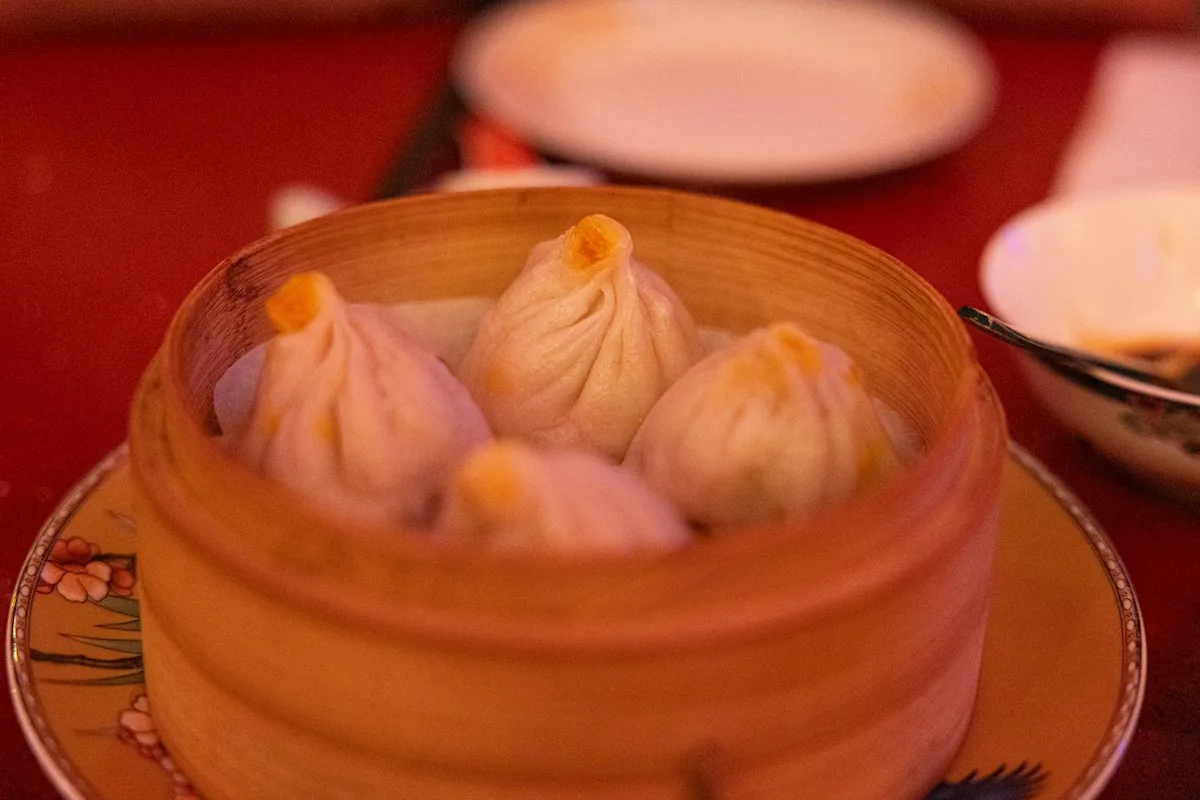
- Shanghai: xiaolongbao (soup dumplings) at a hole-in-the-wall steamer shop
- Chengdu: mapo tofu, the real version, which is numbing and transformative
- Chongqing: hot pot. The spicy kind. You have been warned.
Is street food safe?
Mostly yes. Street food in China is generally cooked at high heat in front of you. The turnover is fast. The danger is not the cooking: it is the water. Do not drink tap water. Do not brush your teeth with it. Bottled water is ¥2 at any convenience store. Ice in restaurants in major cities is usually made from purified water. In smaller towns, ask for drinks without ice.
(Dish-by-dish orientation: Chinese food 101. Street food deep dive: night market safety guide. Beijing specifics: Beijing food guide. Shanghai specifics: Shanghai food guide.)
Safety and social norms
Is China safe?
Yes. Violent street crime against tourists is extraordinarily rare. Walking alone at midnight in Beijing, Shanghai, or Chengdu feels safer than doing the same thing in most Western cities.
The things to actually watch for:
- Scams: tea ceremony invitations from friendly strangers, fake monks selling overpriced charms, taxi drivers who “forgot” the meter. All are annoying, none are dangerous. Read the safety guide for the walkthrough.
- Traffic: drivers do not automatically yield to pedestrians at crosswalks. Look both ways. Electric scooters on sidewalks are silent and fast.
- Altitude: if you go to Tibet or western Sichuan, take altitude sickness seriously. It can kill you.
(Scam encyclopedia and emergency numbers: tourist safety guide. Women traveling alone: solo female travel guide.)
People will stare at you
If you look visibly not Chinese, people will stare. In Shanghai and Beijing, the stares are quick glances. In a third-tier city or rural town, you might get sustained eye contact and people asking to take photos with you. This is curiosity, not hostility. For many people outside international hubs, a Western face is genuinely unusual. Smile and wave. They usually smile back.
Spitting, queuing, and personal space
It is all real. People spit on sidewalks. Queues are more fluid than you are used to. The person behind you in line will stand close enough to read your phone screen. None of this is rudeness in its cultural context. You do not have to like it, but understanding it as a different set of norms rather than a moral failing makes it easier to tolerate.
(All six culture shocks explained with practical coping strategies: culture shock guide.)
The language barrier is not as bad as you think
In major cities and tourist sites, you can get by with English, gestures, and translation apps. Hotel front desks in international chains speak English. High-speed rail stations have English signage. Restaurant picture menus solve the ordering problem.
The breakthrough is learning five words: ni hao (hello), xie xie (thank you), fu wu yuan (server/waitress), dui bu qi (excuse me/sorry), mei guan xi (it’s okay). Chinese people react to even terrible attempts at their language with disproportionate warmth. The bar is low and the goodwill is real.
FAQ
Do I need a visa?
Citizens of 50 countries: no, 30 days visa-free through December 2026. Citizens of 55 countries: 240-hour transit visa-free (must arrive from country A and leave to country C). Everyone else: tourist L visa. See the visa section above for country lists.
Can I use my credit card?
Rarely in person. Alipay and WeChat Pay dominate. Link your card to Alipay before you leave. For hotel deposits and high-end restaurants, a physical Visa or Mastercard sometimes works as backup.
Is the internet blocked?
Yes. Google, Facebook, Instagram, WhatsApp, YouTube, X, and Gmail are all blocked. Install a VPN or buy a hybrid eSIM before you leave. See the internet section above.
Is China safe?
Yes. Violent crime against tourists is extremely rare. Scams exist but are non-violent. Many solo female travelers report feeling safer in Chinese cities than in European or American ones.
Can I drink the tap water?
No. Drink bottled water. Brush your teeth with bottled water. Ice in major-city restaurants is usually fine. In small towns, skip the ice.
Do I need to speak Chinese?
No, but learning five words makes everything easier. Translation apps fill the gaps. Major cities and tourist sites have English signage.
What if I get sick?
Pharmacies are everywhere in cities. Hospital emergency rooms are efficient and inexpensive by Western standards. Travel insurance is still a good idea. Trip.com travel insurance covers medical evacuation.
Can I use Google Maps?
Not well, even with a VPN. Use Apple Maps (accurate transit directions in China) or Amap (Gaode Maps, Chinese-only but the best data). Download offline maps before you go.
Do I need to tip?
No. Tipping does not exist in China. Restaurant staff, taxi drivers, and hotel workers are paid wages and do not expect gratuities. Leaving money on the table will result in someone running after you to return it.
Will my phone work?
Yes, with preparation. Most modern phones support Chinese network bands. The question is apps, not signal. Install Alipay, WeChat, a VPN, and an eSIM before departure. See the internet section above.
🔍 Check your itinerary before you book
You’ve read the guide. Now test your plan. Paste your itinerary into our free AI analyzer and get feedback on pacing, geography, seasonal fit, and rookie mistakes — in about 10 seconds.
What to read next
Pick your path:
- Still planning? Start with the packing guide and the digital survival guide.
- Picking where to go? Browse the destination guides.
- Know your route? The high-speed rail guide and hotel booking guide.
- Worried about something? Read what people commonly get wrong and the mistakes first-timers make.
- Want to know what is actually driving interest right now? See what’s happening in China travel.
For the full picture, see our complete guide to visiting China.
Last updated: June 2026. Visa policies reviewed against official NIA sources.