Shanghai Food Guide: 10 Dishes You Must Try (and Where to Find Them)
If Beijing is China’s political heart and Shenzhen its tech brain, Shanghai is its stomach. The city’s food culture is obsessive, competitive, and endlessly diverse: a mix of sweet, savory, and umami that reflects centuries of trade and migration. (New to Chinese food in general? Our Chinese food 101 covers the regional cuisines before you zoom in on Shanghai.)
Here are the 10 dishes that define Shanghai’s food scene, and exactly where to find the best versions of each.
1. Xiaolongbao (小笼包): Soup Dumplings
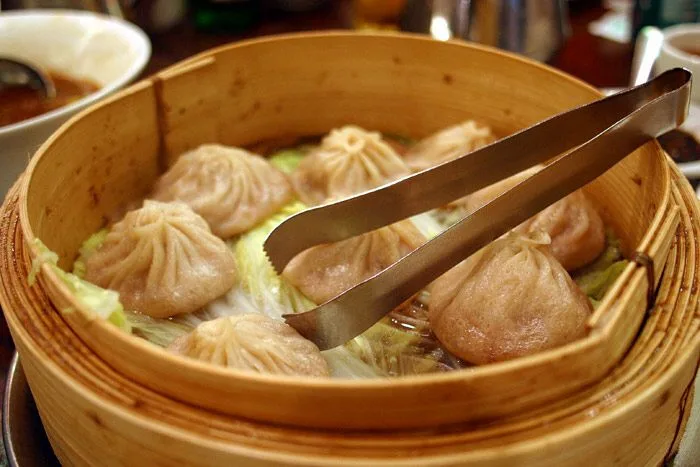
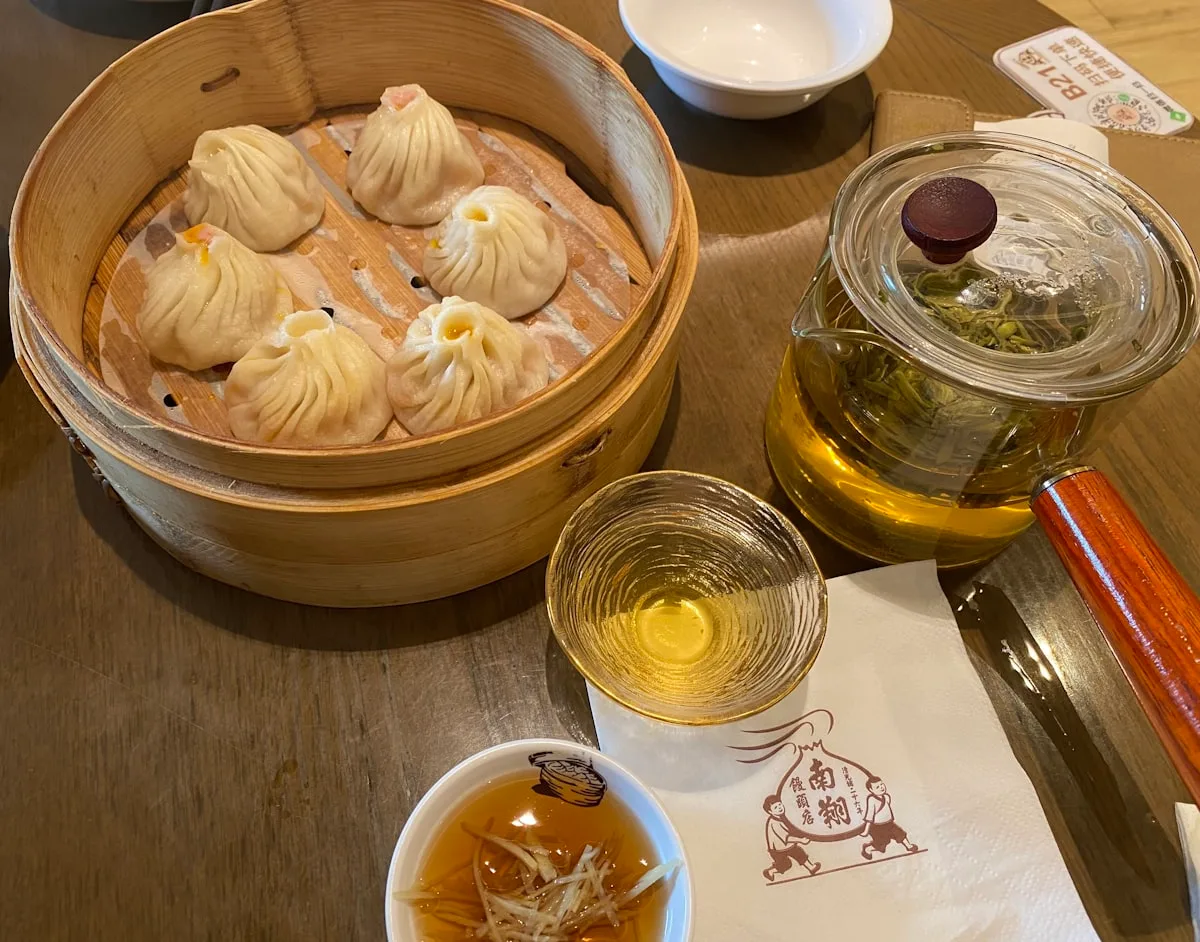
The undisputed king of Shanghai street food. These delicate steamed buns are filled with minced pork and a rich, savory broth that explodes in your mouth.
The technique: Nibble a small hole in the wrapper → slurp the soup → dip in black vinegar with ginger → eat the rest.
Price: ¥20-40 for a basket of 12 at local shops; ¥60-90 per basket at Din Tai Fung.
Where to go:
- Jia Jia Tang Bao (佳家汤包), Huanghe Road. The gold standard. Go before 11 AM to avoid the queue.
- Din Tai Fung, multiple Shanghai locations. More polished, more expensive, but consistently excellent.
2. Shengjianbao (生煎包): Pan-Fried Pork Buns
Xiaolongbao’s crispier, heartier cousin. These buns are fried in large flat pans, giving them a golden-brown crispy bottom while the top stays soft and steamed.
Price: ¥12-20 for a serving of four.
Where to go:
- Yang’s Fried Dumplings (小杨生煎). The chain that made shengjianbao famous, now with well over 100 locations across the city. The Wujiang Road branch is the classic.
- Da Hu Chun (大壶春), Sichuan Middle Road. Old-school style with thicker wrappers, in business since 1932.
3. Hairy Crab (大闸蟹): Seasonal Luxury
From September to November, Shanghai goes crazy for hairy crabs from Yangcheng Lake. The prized part is the creamy, golden roe. It’s expensive, messy, and absolutely worth it.
Price: A single top-grade crab runs ¥100-300; a full crab dinner is ¥300-600+ per person in peak season.
Where to go:
- Xinguang Restaurant (新光酒家), near the Bund. Specialized crab restaurant.
- Cheng Long Hang (成隆行), Jiujiang Road. Crab feast specialists.
4. Hong Shao Rou (红烧肉): Red-Braised Pork Belly
This is the dish that makes vegetarians reconsider their life choices. Pork belly slow-braised in soy sauce, sugar, and spices until it’s melt-in-your-mouth tender with a glossy caramelized exterior.
Price: ¥60-90 per plate at home-style restaurants; expect ¥400+ per person for a full dinner at Fu 1088.
Where to go:
- Old Jesse (老吉士), Tianping Road. Legendary Shanghai home-style cooking. Book ahead; it’s tiny.
- Fu 1088, a beautiful setting in a restored 1920s mansion.
5. Cong You Ban Mian (葱油拌面): Scallion Oil Noodles
The simplest dish on this list, and possibly the best. Springy noodles tossed in hot scallion-infused oil with a touch of soy sauce. It costs ¥10-18 a bowl and tastes like a million bucks.
Where to go:
- Almost every local noodle shop makes a good version. Look for places with a queue of locals at lunchtime.
6. Cifantuan (粢饭团): Glutinous Rice Rolls
Shanghai’s classic breakfast food. A cylinder of sticky rice wrapped around a youtiao (fried dough stick), pickled vegetables, and pork floss. Portable, filling, and delicious.
Price: ¥6-12 from breakfast stalls.
Where to go:
- Shengxing Dim Sum (盛兴点心店), near Yu Garden. Old-school breakfast spot.
7. Xie Ke Huang (蟹壳黄): “Crab Shell” Pastry
Despite the name, there’s no crab here. These flaky sesame pastries are shaped like crab shells and filled with either sweet (red bean) or savory (pork, scallion) fillings.
Price: ¥3-8 apiece.
Where to go:
- Wang Jia Sha (王家沙), Nanjing West Road. Shanghai institution since 1945.
8. Kaofu (烤麸): Braised Wheat Gluten
A classic cold appetizer. Spongy wheat gluten braised with mushrooms, peanuts, and daylily buds in a sweet-savory sauce. It’s unlike anything in Western cuisine. Give it a chance.
Price: ¥20-35 as an appetizer.
Where to go:
- Any decent Shanghainese restaurant will have it. De Xing Guan (德兴馆) is a reliable bet.
9. Tang Cu Pai Gu (糖醋排骨): Sweet and Sour Ribs
Forget the gloopy orange sauce you get at Chinese takeout abroad. Shanghai-style sweet and sour ribs are an entirely different beast: small, bite-sized ribs glazed in a dark, complex sauce made with black vinegar.
Price: ¥40-70 per plate.
Where to go:
- Lao Zheng Xing (老正兴), Fuzhou Road. One of Shanghai’s oldest restaurants, founded in 1862.
10. Dou Jiang (豆浆): Savory Soy Milk
Most people outside China think of soy milk as a sweet drink. Shanghai serves it savory: hot, with vinegar, dried shrimp, pickled vegetables, and youtiao croutons. It’s like a Chinese breakfast soup.
Price: ¥5-10 a bowl; add a youtiao and you’re still under ¥15.
Where to go:
- Xiaotaoyuan (小桃园), a local chain open early for breakfast.
A Food Lover’s Map
For the best experience, organize your eating around these food neighborhoods:
| Neighborhood | Known For |
|---|---|
| Huanghe Road | Soup dumplings (multiple famous shops) |
| Yunnan Road | All-day food street, great for snacking |
| Xintiandi | Upscale dining, great for a splurge meal |
| Wujiang Road | Casual eats, shengjianbao central |
| Old City (near Yu Garden) | Traditional snacks, tourist-friendly |
If you’re building these neighborhoods into a longer trip, our 3-day Shanghai itinerary slots the eating around the sights.
Tips for Eating in Shanghai
- Don’t fear the hole-in-the-wall. Some of the best food in Shanghai comes from tiny shops with plastic stools and handwritten menus.
- Lunch is from 11:30–1:00. If you hit popular spots outside these hours, the food will be fresher and the queues shorter.
- Use Dianping (大众点评). It’s China’s Yelp. Even if you can’t read Chinese, the photos and ratings are useful.
- Carry tissues. Some small restaurants don’t provide napkins.
- Clink glasses. Local custom: when toasting with someone senior, your glass rim should be lower than theirs.
Street Food Hunting & What Things Cost
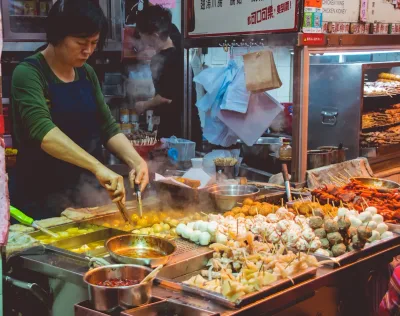
The single most reliable way to find good street food in Shanghai: the queue is the review. If a stall has fifteen locals lined up at 7:30 AM, the food is good. Full stop. Morning breakfast crowds are the strongest signal of all, because commuters on their way to work have zero patience for mediocre cifantuan. An empty stall next to a busy one is empty for a reason.
Dianping (大众点评) works even if you can’t read a single character. Open a listing and go straight to the photos: real customers upload pictures of actual dishes, and a shop with hundreds of recent food photos and a 4.5+ rating is a safe bet. Screenshot the dishes you want and show your phone at the counter.
What a meal actually costs
| Meal | Typical Cost |
|---|---|
| Street food / breakfast | ¥8–25 ($1–3.50) |
| Casual lunch (noodles, dumplings) | ¥30–60 ($4–8.50) |
| Mid-range restaurant dinner | ¥80–200 ($11–28) per person |
| High-end / hotel dining | ¥300+ ($42+) per person |
Timing matters
- 7–9 AM: Breakfast street food at its peak. Cifantuan and dou jiang stalls often sell out by 9:30.
- 11:30–1:00: Lunch rush. Go at 11:15 to beat it, or 1:15 for shorter queues and fresh second batches.
- 6–8 PM: Dinner prime time. Popular spots like Old Jesse need a booking; casual places just need patience.
- 2–5 PM: The dead zone. Many small kitchens close between services, so don’t plan a big meal here.
Ordering when there’s no English menu
Three methods, in order of effectiveness: point at the photos on the wall or menu (most casual spots have them), use your translation app’s camera mode on the menu, or simply point at whatever the next table is eating. Nobody minds. Shanghai restaurant staff deal with confused visitors daily, and pointing plus a smile gets you fed every time.
One thing that surprises first-timers: many Shanghai restaurants have replaced paper menus entirely with a QR code taped to the table. You scan it with WeChat or Alipay, the menu loads (usually with photos), you order and pay in the app, and food arrives. It works well once your mobile payment is set up, but a few QR menus demand a Chinese phone number. If you hit a wall, say “càidān” (菜单, menu) and staff will produce a paper one or take your order directly.
A food-focused day on a budget
Here’s what a full day of serious eating actually costs: cifantuan and sweet dou jiang for breakfast (¥15), a xie ke huang pastry mid-morning (¥6), four shengjianbao and a bowl of soup at Yang’s for lunch (¥30), scallion oil noodles as an afternoon snack (¥15), then a proper Shanghainese dinner with hong shao rou, kaofu, and rice at a home-style restaurant (¥120). Total: about ¥186, or roughly $26. That’s six meals of some of the best food in China for less than one mid-range dinner in London or New York. Worried about eating from stalls? Our street food safety guide covers how to pick vendors with confidence. For street food beyond Shanghai (15 dishes across China from ¥5-25 with ordering phrases), see our Chinese street food guide.
Shanghai rewards adventurous eaters. The best meal I had wasn’t at a Michelin-starred restaurant. It was at a folding table outside a wet market, eating congyou banmian that a 60-year-old woman had been making on the same cart for three decades.
Frequently asked questions
What is the most famous food in Shanghai?
Xiaolongbao, the steamed soup dumpling, is Shanghai’s signature dish. Delicate wrappers hold minced pork and a rich broth that you slurp out before eating the rest. Jia Jia Tang Bao on Huanghe Road is the classic spot, with baskets of 12 running ¥20-40. The seasonal runner-up is hairy crab from Yangcheng Lake, which takes over the city’s restaurant scene from September to November.
Where can I find the best soup dumplings in Shanghai?
Jia Jia Tang Bao (佳家汤包) on Huanghe Road is the gold standard. Arrive before 11 AM because the queue gets long, and expect to pay ¥20-40 for a basket of 12 depending on the filling. If you want a more polished sit-down experience, Din Tai Fung has multiple Shanghai locations with consistently excellent xiaolongbao at ¥60-90 per basket. Huanghe Road itself has several competing soup dumpling shops, so a bad basket is hard to find there.
How much does a meal cost in Shanghai?
Street food and breakfast run ¥8-25 ($1-3.50). A casual lunch of noodles or dumplings costs ¥30-60 ($4-8.50). A mid-range dinner at a proper Shanghainese restaurant is ¥80-200 ($11-28) per person, and high-end or hotel dining starts around ¥300 ($42) per person. A full day of excellent eating, from breakfast cifantuan to a sit-down Shanghainese dinner, can be done for under ¥200 total.
What time do restaurants open for lunch in Shanghai?
Most restaurants open for lunch between 11:00 and 11:30 AM, and the local rush runs from 11:30 to 1:00. Many small, family-run kitchens close between roughly 2:00 and 5:00 PM before reopening for dinner around 5:00-5:30, so plan around that gap. Breakfast spots are a different rhythm entirely: they open around 6:00 AM and the best items often sell out by 9:30.
Is Shanghai street food safe for international travelers?
Generally yes, with basic judgment. Choose stalls with long queues of locals, since high turnover means food does not sit around. Eat things that are cooked fresh and served hot, like shengjianbao straight from the pan. Skip anything that has been sitting out at room temperature, and stick to bottled or boiled water. Most stomach trouble travelers report comes from adjustment to new food, not contamination, so ease in over your first day or two. Our night market food safety guide goes deeper.
What Shanghai dishes should vegetarians try?
Kaofu (braised wheat gluten with mushrooms and peanuts) is the classic vegetarian Shanghainese dish. Scallion oil noodles are usually meat-free, though some shops add dried shrimp, so ask first. Vegetable steamed buns, sweet soy milk, and the red bean version of xie ke huang pastry are all safe bets. For a proper sit-down meal, Godly (功德林) near People’s Square has served Buddhist vegetarian cuisine since 1922 and does convincing mock-meat versions of Shanghai classics.
What’s your favorite Shanghai food memory?
New to China travel? Our first-timer’s guide covers everything from visas to what to eat.