China Travel with Kids: Family Tips & Realities

You can travel China with kids and have a genuinely good time. I have watched families do it. But you have to throw out most of what works for a solo trip and start from a different set of assumptions.
The challenges are not the ones most parenting blogs mention. It is not about whether restaurants have high chairs. It is about walking distances that would exhaust an adult, public bathrooms that would traumatize a seven-year-old, and a level of attention from strangers that some kids find hilarious and others find terrifying.
This guide covers the destinations that actually work for families, the logistics that matter, and a few things I wish every parent knew before booking the flight.
The best destinations for kids
Some Chinese cities work brilliantly with children. Others are better saved for an adults-only trip. The difference usually comes down to three things: walkability, green space, and whether there is a concrete thing for a kid to look at rather than another temple.
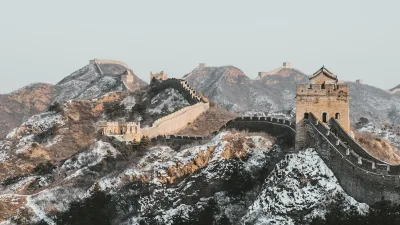
Beijing. The obvious starting point and for good reason. The Forbidden City is enormous and flat. Kids under a certain age will not care about Ming dynasty history, but they will care that the courtyard they are running through is bigger than a football field. The Great Wall at Mutianyu has a toboggan slide down. The Summer Palace has a lake with pedal boats shaped like ducks. The zoo has pandas without the Chengdu crowds. Beijing works best for kids aged 6 and up who can handle a day with 15,000 steps.
For Beijing logistics, read our full first-timer’s guide to Beijing.
Chengdu. If you can only pick one city for a China trip with kids, pick Chengdu. The panda bases are the obvious draw. A seven-year-old watching a panda cub tumble off a climbing frame does not need any cultural context to be fully engaged. The city itself is slower than Beijing or Shanghai, with teahouses in parks where kids can run around while adults sit. The food is famously spicy, but Chengdu restaurants are used to families and most will make mild versions of dishes if you ask.
Our panda base comparison guide covers which base to visit based on the age of your kids and how much time you have.
Guilin and Yangshuo. This is where you go for the scenery that matches what kids imagine China looks like. The karst mountains rising out of rivers look like a drawing. You can take a bamboo raft down the Yulong River with a child sitting next to you, feet dangling over the side. Yangshuo is small enough that you can rent bikes with child seats and ride through rice paddies. It is the least urban China trip possible, and for younger kids who struggle with city crowds, that matters.
Shanghai. Mixed bag. The Bund at night, with the light show across the river, is genuinely exciting for any age. The Shanghai Natural History Museum has a dinosaur skeleton that fills an entire hall. Disneyland Shanghai exists and is cheaper than the US parks. But Shanghai is dense, loud, and involves a lot of walking through subway stations that feel like underground cities. For kids under 8 who tire easily, it is a harder city than Beijing.

Food: the real daily challenge
Chinese restaurants do not have kids’ menus. They do not have crayons. They do not have chicken tenders unless you are at a western chain in a mall, and even then, a Chinese KFC is not the same as a KFC at home.
That said, several Chinese foods are naturally kid-friendly. Steamed dumplings (jiaozi) are mild, recognizable, and fun to eat. Fried rice is available everywhere and you can order it with just egg and no spice. Noodle soups work: the broth is usually mild and kids can pick out the noodles. Congee (rice porridge) with shredded chicken is the ultimate backup meal for a tired child who needs calories with zero challenge.
Fruit is everywhere. Street vendors sell sliced mango, watermelon skewers, and dragonfruit. Convenience stores stock yogurt drinks that most kids like. You will not struggle to feed a child in China. You will struggle to feed one who insists on plain pasta with butter. If your kid has strong food preferences, pack backup snacks from home for the first few days.
For more on navigating Chinese food in general, our Chinese food first-timer’s guide covers ordering, ingredients, and what to expect.

Bathrooms with kids
I will be direct: Chinese public bathrooms are the single hardest thing about traveling here with children. Most are squat toilets. Most do not have toilet paper. Soap is rare. The smell in some places will make a child refuse to enter.
What works: carry toilet paper and hand sanitizer at all times. Teach kids the squat position before the trip. If your child is too young for a squat toilet, bring a portable potty seat or travel urinal. Hotels, shopping malls, and sit-down restaurants have the cleanest bathrooms by a wide margin. Use every clean toilet you encounter, whether anyone needs to go or not.
If this section makes you nervous, read the full China toilet survival guide for the unfiltered version.
The staring and attention
Chinese people like children. A lot. Do not be surprised if strangers stop to take photos of your kid, touch their hair, or pick them up without asking. This is not seen as rude the way it would be in the West. It is normal behavior, especially from older women who will gesture that your child is beautiful and then attempt to hold them.
Some kids love the attention. Some find it extremely uncomfortable. You cannot stop it entirely, but you can manage it: step between your child and the approaching stranger, say “bu yao” (I don’t want it) with a smile, and keep moving. It gets less intense outside the major tourist zones.
For more on social norms that surprise first-time visitors, see our culture shock guide.
Transportation with kids
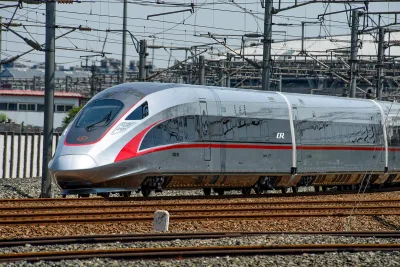
Chinese high-speed trains are excellent for families. They are clean, spacious, and punctual. Every seat has a tray table. You can bring food on board. There are hot water dispensers at the end of every carriage for making instant noodles or formula. Children under 1.2 meters ride free on most trains, though they will not get their own seat.
The subway is harder. Chinese subway stations involve a lot of walking. Transfers between lines can mean ten minutes of tunnels and stairs. Strollers are cumbersome because elevators exist but are often hidden in corners and slow. A baby carrier is more practical than a stroller in most Chinese cities.
Taxis and ride-hailing are cheap by Western standards. Didi has a car seat option in some cities, but it is not reliable. Bring a travel car seat or a RideSafer vest if you plan to use taxis regularly with a small child.

Packing for kids
Most of the standard China packing advice applies, but for kids there are a few extras that matter. Bring children’s pain relief medication from home. Chinese pharmacies stock ibuprofen and paracetamol, but the packaging and dosing are in Chinese. Bring a thermometer. Bring any prescription medication with a doctor’s letter, especially for ADHD medications that are tightly controlled in China.
For infants: disposable diapers are available in Chinese supermarkets, but sizing runs smaller than Western brands. If your child wears a size 5 in the US, buy a size 6 in China. Bring enough for the first three days so you are not hunting for a supermarket at midnight on arrival day.
Is it safe?
By crime statistics, China is safer than almost anywhere you have taken your kids before. The safety realities for tourists apply equally to families. The biggest risk to a child in China is not crime. It is traffic. Chinese drivers do not reliably stop at pedestrian crossings. Hold your child’s hand crossing any street, every time, even when the crossing light is green.
Air quality is the other variable. Beijing and northern cities get bad pollution days, especially in winter. If your child has asthma, bring their inhaler with a spacer and check the AQI before outdoor activities. A bad air day in Beijing can be worse for a child’s lungs than a bad air day in Los Angeles.
Start here, then decide
If you are still deciding whether to bring the kids, start with our first-timer’s guide for the big picture on visas, payments, and internet. Those are the same whether you are traveling solo or with a family, and getting them right matters more than any specific kid advice in this article.
The parents I have watched have the best trips in China are the ones who slow way down. Two cities in ten days instead of four. A park every afternoon instead of another museum. A willingness to eat fried rice for the fourth time because it is what works tonight. China rewards this pace with kids more than any itinerary I could write.
Frequently asked questions
Which Chinese city is best for traveling with kids?
Chengdu is the top pick. The panda bases are an obvious draw for children of any age. A seven-year-old watching a panda cub tumble off a climbing frame does not need cultural context to be fully engaged. The city is slower-paced than Beijing or Shanghai, with teahouses in parks where kids can run around while adults sit. Our panda base comparison guide covers which base to visit based on the age of your kids.
Will my kids find food they’ll eat in China?
Chinese restaurants don’t have kids’ menus, but several foods are naturally kid-friendly: steamed dumplings (jiaozi), fried rice with egg, mild noodle soups, and congee (rice porridge) with shredded chicken. Fruit is everywhere. Street vendors sell sliced mango, watermelon skewers, and dragonfruit. If your child has strong food preferences, pack backup snacks from home for the first few days. Our Chinese food guide covers ordering and what to expect.
What’s the bathroom situation like for kids?
Chinese public bathrooms are the hardest part of traveling here with children. Most are squat toilets without toilet paper or soap. Carry toilet paper and hand sanitizer at all times. Use every clean toilet you encounter in hotels, shopping malls, and sit-down restaurants. For younger children, bring a portable potty seat or travel urinal. Read the full toilet survival guide for the unfiltered version.
Is it safe to travel China with children?
By crime statistics, China is safer than almost anywhere you’ve taken your kids. The biggest risk is traffic. Drivers don’t reliably stop at pedestrian crossings. Hold your child’s hand crossing every street, every time, even when the crossing light is green. If your child has asthma, check the AQI before outdoor activities in northern cities during winter. See our tourist safety guide for more on safety realities.
Can I use a stroller in Chinese cities?
A baby carrier is more practical than a stroller in most Chinese cities. Subway transfers involve long tunnels and stairs, and elevators exist but are slow and often hidden in corners. Strollers work in parks and tourist areas, but for daily transport a carrier saves significant frustration. Chinese subway stations involve a lot of walking. Our subway guide explains what to expect.
Do Chinese high-speed trains work well for families?
Yes. High-speed trains are clean, spacious, and punctual. Every seat has a tray table. You can bring food on board. Hot water dispensers at the end of every carriage work for formula or instant noodles. Children under 1.2 meters ride free on most trains, though they won’t get their own seat. For more on train travel, see our high-speed rail guide.